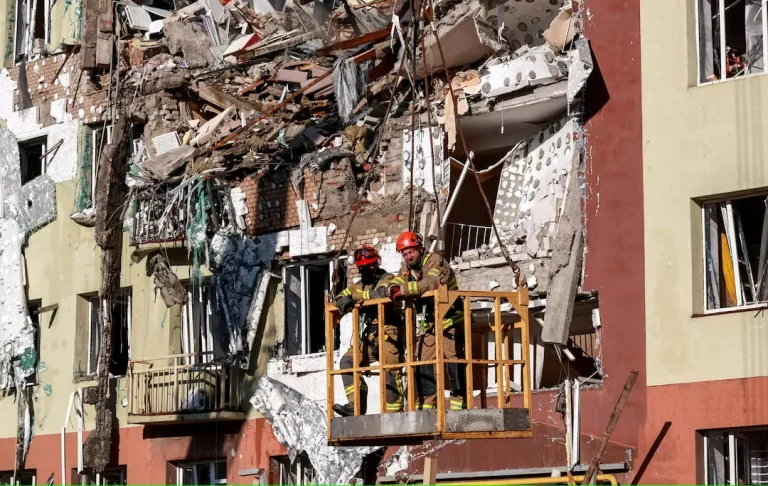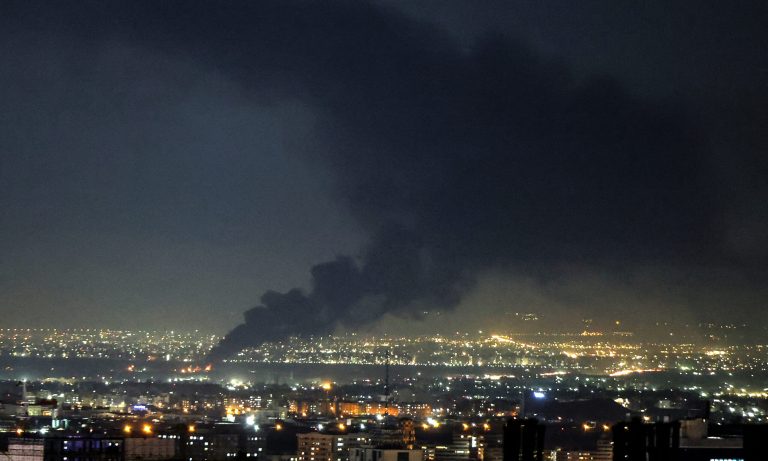

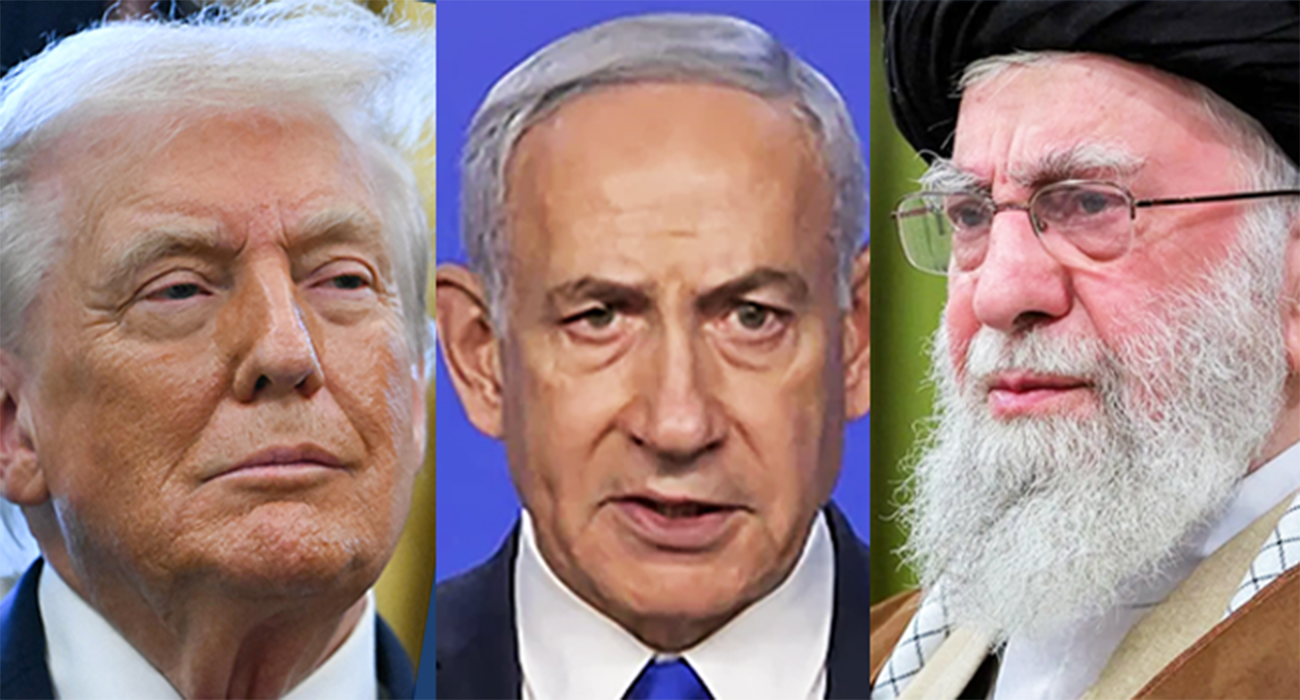
Following the Islamic Republic’s harsh suppression of large-scale demonstrations and the breakdown of talks between Tehran and Washington over Iran’s existential concerns—nuclear program, ballistic missiles, and regional proxies—the US and Israel launched strikes on Iran.
This is a detailed account:
Crackdown on protests
Late December saw the start of protests in Tehran citing economic hardship, which later grew into a widespread anti-government movement that peaked on January 8 and 9.
Iranian authorities violently suppressed the unrest, killing about 7,000 people, primarily protestors, however the US-based Human Rights Activists News Agency (HRANA) warned the death toll was probably much higher.
Furthermore, since January, almost 53,000 people have been taken into custody.
According to US President Donald Trump, 32,000 people have died, which is in line with numbers from Persian-language media outlets outside of Iran.
Iranian authorities concede that over 3,000 people have died, but they attribute the carnage to “terrorist acts” that they claim were planned by Israel and the United States.
In the midst of the crackdown, Trump first promised the Iranian people on January 13 that “help is on its way” and issued an order for the largest Middle East military buildup in decades.
The Nuclear Program
Trump quickly shifted his attention from the crackdown on protests to Iran’s nuclear program, which has long been a source of dispute. Iran disputes accusations made by Western nations that it is pursuing nuclear weapons.
Although Tehran says its nuclear program is completely peaceful, the United States has pushed for a complete ban on all uranium enrichment, even for civilian purposes. This is in spite of the fact that Tehran has enriched uranium to 60%, which is higher than what is needed for civilian purposes.
In an effort to resurrect an agreement on Iran’s nuclear program, Washington and Tehran began indirect negotiations this week in Geneva.
In his State of the Union speech to Congress on Tuesday, Trump referred to Iran’s “sinister nuclear ambitions” and charged Tehran with attempting to create weapons capable of striking the United States.
Washington allegedly hoped to have talks include Tehran’s ballistic missile program and regional network of proxy militias, but the most recent round of talks ended Thursday without an accord.
Without mentioning which phrases he was referring to, Iran’s Foreign Minister Abbas Araghchi issued a warning on Friday that Washington must drop its “excessive demands” if it wants to reach an accord.
Missiles that are ballistic
Following Tehran’s refusal to discuss its ballistic missile program during the most recent meetings, the US president voiced his frustration.
Israel has also urged action on the matter, stating that its security is directly threatened by Iran’s short- and medium-range missile stockpiles.
Trump warned that the government is also creating weapons that “will soon reach” the United States, claiming on Wednesday that Tehran has produced missiles that may strike Europe and US military installations abroad.
However, the Islamic Republic asserted its right to self-defense and stated that it would not engage in negotiations regarding its ballistic missiles.
Iranian-Supported Middlemen
The United States and Israel have pledged to eliminate Iran’s so-called “axis of resistance”—a network of armed and financially supported regional proxies that includes the Houthis in Yemen, Hezbollah in Lebanon, Palestinian militant group Hamas, and numerous militias in Iraq—in addition to pursuing regime change.
Trump stated yesterday in a post on his Truth Social platform, “We’re going to make sure that the terrorist proxies in the region can no longer attack our forces and destabilize the region or the world.”
“Mass terror has occurred, and we will no longer tolerate it. “The regime has armed, trained, and funded terrorist militias that have soaked the earth with blood and guts from Lebanon to Yemen and Syria to Iraq,” he said.
He also denounced Hamas’ “monstrous October 7th attacks on Israel.”
In recent months, Israel has also been the target of Hezbollah and the Houthis.
Along with strikes against US commercial and naval ships as well as international maritime waterways, Trump also mentioned “countless attacks” against US forces in the Middle East.
About the Author