
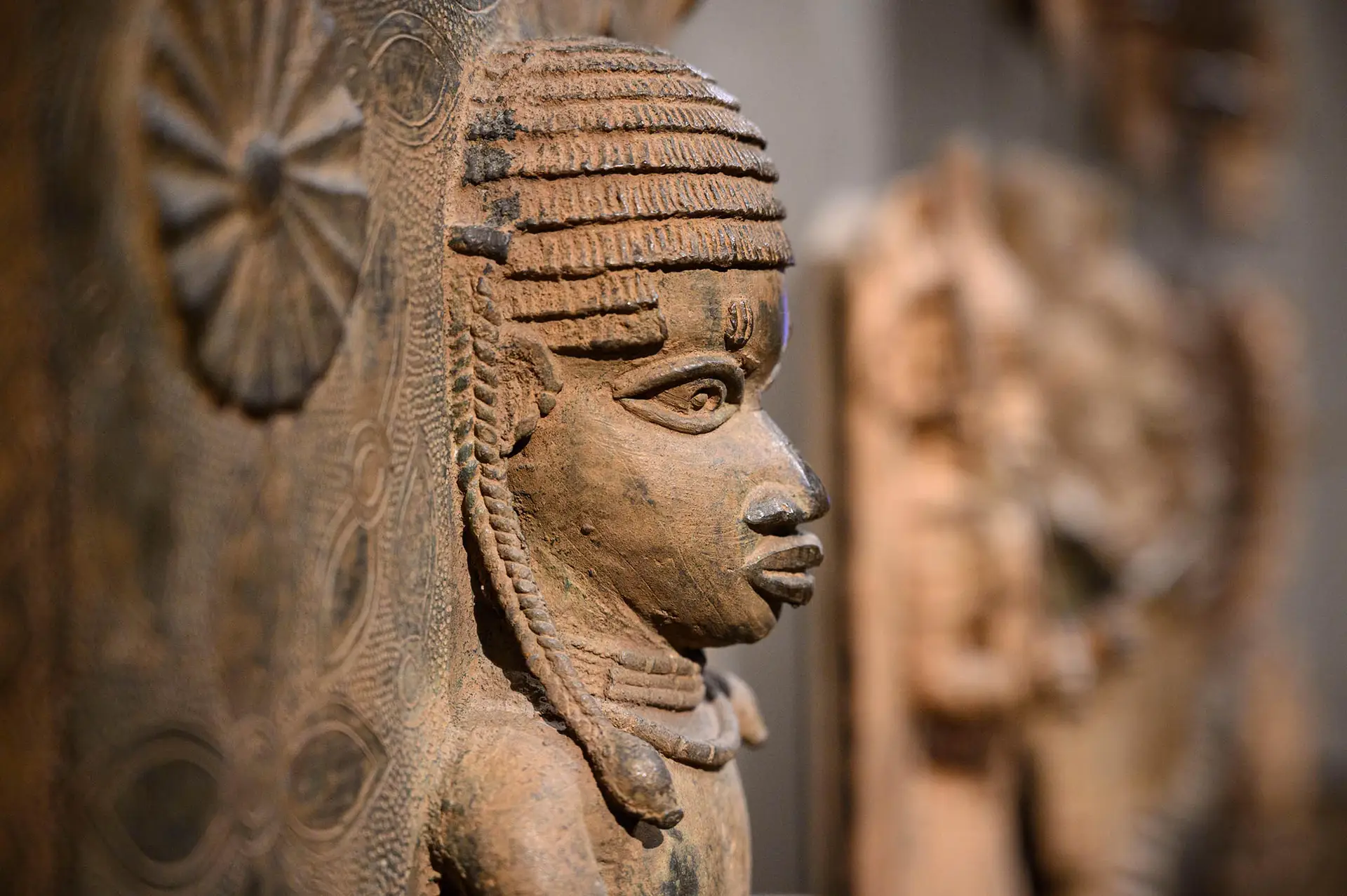
Cambridge University’s decision to return more than 100 Benin bronzes looted during the 1897 British invasion is being hailed as a historic breakthrough. It places renewed pressure on the British Museum and other major institutions still holding thousands of Benin artefacts. Yet beyond the applause lies a more uncomfortable question that concerns Benin people directly: what happens after restitution, and where do these treasures ultimately belong?
The bronzes. commemorative heads of obas, plaques of warriors, armlets, masks, and ritual objects, were seized when British forces burned Benin City and exiled Oba Ovonramwen. For over a century, they circulated through European museums and private collections, becoming both prized artworks and global symbols of colonial violence.
Cambridge’s Museum of Archaeology and Anthropology has now transferred ownership of 116 objects to Nigeria, with about 100 set to be physically returned. The move strengthens the growing “domino effect” of restitution already seen with Germany and the Netherlands. But it also exposes the impact of the unresolved tensions at home.
In Nigeria and in Benin, the question of custody remains deeply contested. The Oba of Benin is now legally recognised as the rightful owner of returned artefacts, yet institutional arrangements for housing and displaying them are fractured. The Museum of West African Art (MOWAA) in Benin City, originally envisioned as a restitution destination, remains effectively closed to royal artefacts due to governance disputes and protests. Meanwhile, Nigeria’s National Commission for Museums and Monuments (NCMM) has confirmed that many of the Cambridge bronzes will instead be displayed in the National Museum, Lagos, currently undergoing a privately funded refurbishment.
This raises a paradox. Restitution is meant to restore heritage to its source, yet the artefacts of Benin are increasingly being concentrated hundreds of kilometres away from the kingdom that created them. Most of the artefacts returned so far are housed safely in the NCMM’s facilities in Lagos.
Lagos may offer modern facilities, donor funding, and global visibility—but what does Benin gain if its heritage is returned in law, but displaced in practice?
At the same time, the Lagos model demonstrates something important: that with funding, clarity, and collaboration, returned artefacts can be professionally conserved and globally showcased. The real challenge, then, is not restitution itself, but alignment—between the Oba, the Edo State, the federal government, and the international partners who supported MOWAA.
Cambridge’s return makes one thing unavoidable: more bronzes are coming home. The pressing task now is to resolve our internal disputes so that future returns do not arrive into uncertainty, but into institutions that honour ownership, history, and place.
Restitution has opened the door. What we build behind it will determine whether these returns become symbols of renewal, or reminders of unfinished business.
This analysis is inspired by a detailed report by Barnaby Phillips, journalist and author of Loot: Britain and the Benin Bronzes, published in The Observer. Phillips has written extensively on restitution, museums, and Britain’s colonial legacy in West Africa.
About the Author