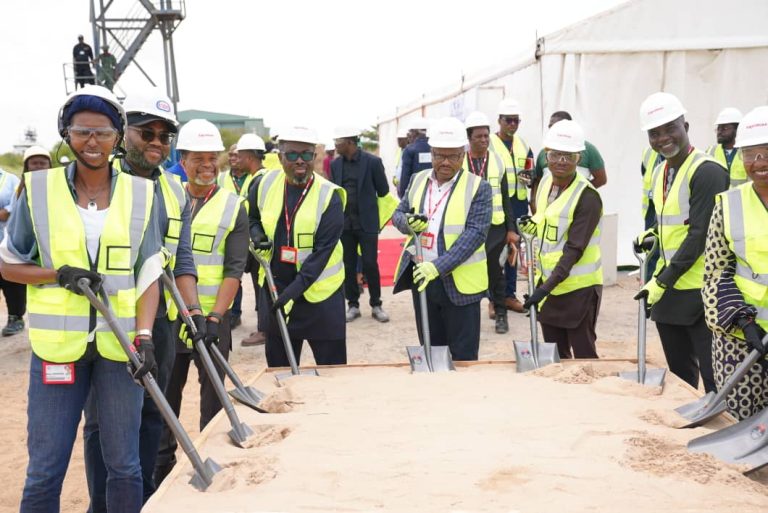

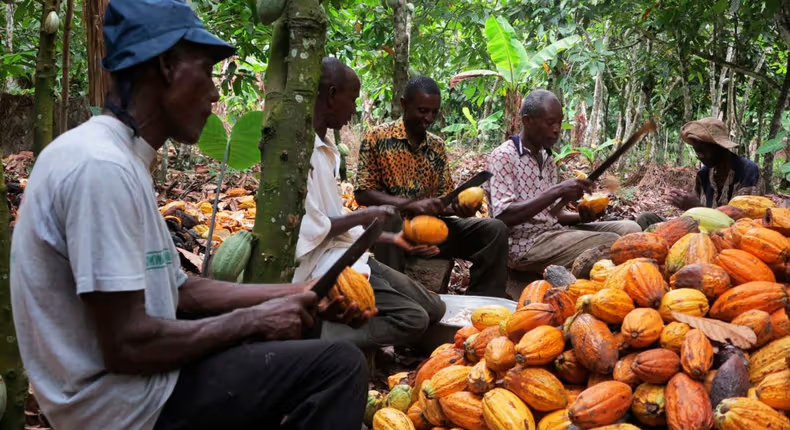
This week, Ghanaian President John Dramani Mahama summoned an emergency Cabinet meeting to address escalating concerns in the cocoa business, including delayed payments to farmers, cash constraints at the Ghana Cocoa Board (COCOBOD), and a significant decline in harvests.
For decades, Ghana has consistently positioned itself as the world’s second-largest cocoa provider, trailing only Côte d’Ivoire, Africa’s leading producer.
The crop sustains over 800,000 agricultural households and continues to be a crucial source of foreign exchange for the nation.
Declining production exacerbates the issue
Production has significantly declined in recent seasons. In June 2025, the Ghana Cocoa Board (COCOBOD), the governmental authority overseeing the nation’s cocoa industry and assisting farmers, indicated that Ghana will probably fail to meet its production target for the 2024/2025 season.
The agency revised its projection from 650,000 tons to 617,500 tonnes in December 2024, stating that harvests are unlikely to surpass 600,000 tonnes.
COCOBOD Managing Director Randy Abbey stated on June 10, 2025, that he does not anticipate significant changes, considering the limited time remaining in the crop season, with 590,000 tonnes already harvested and three months left.
During a press appearance at Cocoa House in Accra on Friday, February 6, 2026, Abbey disclosed that COCOBOD had sold over 530,000 tonnes of cocoa for the current season, although over 50,000 tonnes remain unsold and are still held by farmers.
He ascribed the problem to Ghana’s uncompetitive farmgate pricing, which has hindered buyers from absorbing the surplus cocoa.
“We possess beans, yet there are no purchasers; the beans are prohibitively priced,” Abbey stated. He confirmed that measures are being implemented to resolve delayed payments.
As a result, the anticipated harvest is significantly lower than Ghana’s historical average of 800,000 tonnes and considerably less than the almost 1 million tonnes achieved during the 2020/2021 bumper season.
COCOBOD identified aging farms, the proliferation of Cocoa Swollen Shoot Virus Disease, illicit gold mining referred to as galamsey, smuggling, and climate-induced weather disturbances as the primary contributors to the decline.
Ghana, previously the world’s second-largest cocoa producer, is experiencing a decline in production and apprehensions regarding the preservation of its status.
Competitors are increasing.
Simultaneously, other producers are consistently augmenting their operations, preparing to contest Ghana’s historically established global standing.
Ecuador is at the forefront in South America, anticipated to yield over 650,000 tons in the 2025/2026 season, with projections of achieving 800,000 tonnes by the decade’s conclusion.
Ecuadorian yields average over 800 kilograms per hectare, in contrast to under 500 kilograms per hectare in West Africa, with farmers receiving nearly 90% of the global market price, significantly more than the 60–70% obtained by farmers in Ghana and Côte d’Ivoire.
Indonesia, the third-largest cocoa producer globally, is experiencing growth across Southeast Asia. The nation, predominantly cultivating Forastero beans alongside certain Trinitario kinds, produced 641,741 tonnes in 2023 and commands the regional cocoa market.
Exports totaled $47 million that year, and worldwide supply projections indicate that Indonesian production may increase by almost 30% to about 836,000 tonnes by 2026.
This expansion is bolstered by governmental programs and private initiatives like Cocoa Life, which seek to enhance fermentation uniformity and overall agricultural productivity.
Nigeria, now ranked fourth internationally, has shown intentions to augment output in West Africa.
The nation seeks to increase production from approximately 340,000 tonnes to 500,000 tonnes, aiming for about 6.5% of world supply.
Although continuous irrigation and governmental assistance may enhance output, fundamental obstacles persist. Nonetheless, Nigeria may still develop into a formidable competitor to contest Ghana’s status as the world’s second-largest cocoa producer.
International market pressures
As of February 12, 2026, cocoa futures have declined from the historic highs of 2024 but remain high, trading at approximately $3,700 per tonne, according to worldwide ICE cocoa futures pricing.
In light of persistent volatility, a United Nations Cocoa Conference on February 13, 2026, will launch the new International Cocoa Agreement, designed to enhance sustainability and guarantee price stability within the sector.
Ghana’s capacity to sustain its second-place status will depend on domestic changes and its responsiveness to escalating competition from Ecuador, Indonesia, and Nigeria.
About the Author