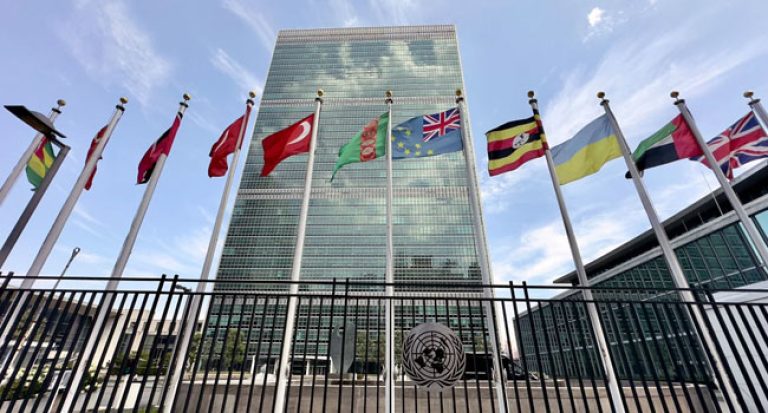


In the past few years, U.S. tourism has taken a big hit since fewer people from important African countries are coming to visit. Nigeria, along with Ghana, Kenya, Morocco, Ethiopia, South Africa, and forty-three other African countries, has caused a big drop in U.S. tourism. Last year, the number of tourists coming to the U.S. dropped by more than ten percent. This trend is a big change since these countries, which have been substantial providers of tourists to the U.S. in the past, are now choosing other places to visit because of economic pressures, growing travel costs, and regional travel preferences.
The drop in U.S. tourism from these African countries is part of a larger trend in global travel, as people are looking for places to go closer to home or that are cheaper. Many Africans find it harder to go to the U.S. because of strict visa rules, increasing ticket expenses, and changing economic situations. As the way people travel across the world changes, U.S. tourism officials will need to rethink their plans to get these important visitors back. Nigeria’s involvement in this trend, along with that of other African countries, means that the U.S. needs to make changes right away to bring in more international tourists.
Nigeria: A Big Drop in U.S. Tourism
Nigeria is a lively country with a rich cultural history and a growing tourism business. In the prior year, U.S. tourism revenue fell by 7.9%, from $105,990 to $97,613. This drop is a big change for Nigeria, which has always been a major source of tourists from Africa to the U.S. The economy throughout the world is weak, airfare is expensive, and strict visa rules make it harder and more expensive to go to the U.S. These are just a few of the things that have caused this decline. Also, more and more Nigerians are choosing to go to other places that are closer, cheaper, or have better travel deals. These other options frequently include places in Africa or Europe, which have shorter flight times and better prices. Also, Nigeria’s own problems, like inflation and unemployment, have made it harder for people to travel abroad because they have less money to spend. As the travel industry around the world changes, Nigerian tourists are becoming more aware of value and cost-effectiveness. This makes it harder for the U.S. to stay the most popular destination. The drop in tourism earnings from Nigeria shows that U.S. tourism officials need to change by making vacation packages more reasonable and making it easier to get a visa so that more Nigerians would come to the U.S. in the future.
South Africa: How to Deal with Changing Travel Preferences
Last year, tourism earnings from South Africa, which used to be a major supplier of travelers to the U.S., fell by 7.8%, from $105,460 to $97,260. This drop in tourism earnings from the U.S. is part of a bigger change in how South Africans travel. South Africans are changing where they travel because of growing prices, safety concerns, and the long-lasting impacts of the COVID-19 pandemic. Long-haul flights, especially to faraway places like the U.S., are less enticing now that the South African Rand is losing value and prices are going up. Because of this, a lot of South African tourists are choosing to go to other places in Europe, Asia, and surrounding African countries instead. These places are cheaper and have shorter flight times. Additionally, the development of affordable international travel packages and the push toward sustainable and regional tourism have hurt the U.S. market share even more. The U.S. may need to change its strategy to get South African tourists back by making it easier for them to visit, offering better prices, and focusing on experiences that are particular to this group. The 7.8% reduction is a sign that it’s time to rethink how to get South African tourists to come.
A Change in Travel Trends to the U.S. from Morocco made using Ai
For a long time, Morocco has been a popular tourist destination for Americans because of its interesting history and unique culture. But in the prior year, tourism revenue fell by 6.3%, from $39,419 to $36,925. Moroccans are choosing to go to Europe and other places closer to home instead of taking long flights to places like the U.S. This is part of a larger change in how people travel. There are a number of reasons why this change has happened. Many Moroccans can no longer afford to come to the U.S. because of rising airfares and the falling value of the Moroccan dirham. Also, travel inside North Africa and Europe has become increasingly appealing because it is cheap and easy to get to. European countries also give the U.S. a lot of competition because they have similar cultural experiences, historical sites, and natural beauty. Morocco’s burgeoning middle class, which is more focused on getting the most for their money, has turned their attention away from more expensive places like the U.S. The drop in Moroccan tourism to the U.S. shows how important it is to deal with the financial and logistical problems that keep Moroccans from picking the U.S. as their preferred destination.
Ghana: Economic Problems and Changing Travel Patterns
In 2025, Ghana’s tourism revenue from the U.S. fell by a huge 9.4%, from $40,289 to $36,488. There are a number of reasons why fewer Ghanaians are coming to the U.S., but the most important one is economic pressure. Inflation, higher costs of living, and the falling value of the Ghanaian cedi have made overseas travel too expensive for many Ghanaians. Because of this, more and more Ghanaian tourists are looking for places to visit in Africa or surrounding areas that offer similar experiences for a lot less money than long-haul flights to the U.S. Also, the U.S. has had trouble with visa processing timelines and regulations, which has made it harder for Ghanaians to get the paperwork they need to go. European and Middle Eastern countries are also offering enticing packages that appeal to Ghanaian passengers who want to travel less and spend less money. This has made the tourism industry more competitive. Ghanaian tourists to the U.S. have had to deal with this difficult situation, and more and more of the country’s visitors are choosing to go to places that are closer to home. To stop the drop, the U.S. needs to offer lower prices and make it easier to get visas.
Last year, U.S. tourism income in Kenya, which is recognized for its world-class safaris and lively culture, fell by 13.6%, from $31,000 to $26,780. This big drop is due to shifting trends in global travel, such as growing expenses and economic pressures that have made long-haul travel less enticing to many Kenyans. Because international flights are getting so expensive, a lot of Kenyan travelers are choosing cheaper options in Africa and Europe. Also, the trend toward sustainable travel has made many tourists choose regional sites that are not only cheaper but also better for the environment. Because of this, the U.S. has experienced a drop in Kenyan tourists, even though it is a popular place to visit. Instead, they are going to places with lower prices and shorter travel periods. The change in how Kenyans want to travel shows that U.S. tourism officials need to reconsider how they try to get Kenyans to visit. The U.S. could get back on track in this market and stop the present drop in tourism by offering special bargains, making the visa procedure easier, and focusing on what Kenyans want to do when they travel.
Ethiopia: Economic Problems and the Allure of Travel Within the Region
In 2025, U.S. tourism income in Ethiopia, a country noted for its historical significance and rich culture, dropped by 13.7%, from $29,093 to $25,105. The main reason for this drop is that Ethiopia’s economy is having problems, which means that those who may want to travel there have less money to spend. Many Ethiopians can’t afford to travel internationally anymore because flights are getting more and more expensive, especially long-haul flights to the U.S. Because of this, more and more Ethiopian visitors are choosing to travel within Africa or to adjacent places in the Middle East and Asia that offer similar cultural and natural experiences. The number of Ethiopian visitors going to the U.S. has dropped a lot because these cheaper places are becoming more popular and the economy is still having problems. Also, visa regulations and processing delays have made it harder for Ethiopians to get travel documents, which has made people less likely to visit. The drop in Ethiopian tourism to the U.S. shows how important it is to remove these impediments and give this important group of people more affordable and appealing travel options. To stay strong in the Ethiopian market, U.S. tourism officials will have to change with the time
African tourism is becoming more popular around the world.
More and more people from all around the world are traveling to Africa, which is becoming a more popular tourist destination. In the last several years, African countries have made a lot of progress in strengthening their tourism infrastructure, showcasing their cultural heritage, and offering unique, exciting experiences that appeal to a wide range of international tourists. Africa has a lot to offer, from the amazing wildlife safaris in Kenya and Tanzania to the ancient sites in Egypt and South Africa. Morocco, Ethiopia, and Ghana are also seeing more tourists come to their countries. These tourists are interested in diverse cultures, old civilizations, and lively local customs.
One reason for this development is that African countries are becoming easier to get to as international flight links grow and visa rules are simplified in some areas. Also, eco-tourism is becoming more popular, and travel packages that are easy on the wallet have made Africa more appealing to a wider spectrum of tourists. There is something for every kind of traveler on the continent, from deserts to rainforests to wide-open savannahs. Africa’s tourist business is predicted to keep increasing as the continent continues to show off its natural beauty, rich history, and lively cultures. This will help Africa become a prominent player in the global tourism industry.
Nigeria, along with Ghana, Kenya, Morocco, Ethiopia, South Africa, and 43 other African countries, has caused a big drop in U.S. tourism. Last year, it fell by more than 10% since travel expenses went up and people’s travel tastes changed in other parts of the world.
Finally,
Nigeria, Ghana, Kenya, Morocco, Ethiopia, South Africa, and 43 other African nations have all had a big impact on U.S. tourism, which caused tourism income to plummet by more than 10% last year. The drop can be linked to a number of factors, including rising travel expenses, economic problems, and the fact that people are increasingly choosing regional places that are cheaper and easier to get to. The U.S. tourist industry will have to adjust to get these important visitors back by giving more appealing travel options, making visa processes easier, and lowering prices. This is because these countries are looking for nearby, cheaper options.
About the Author