

Professor Saad Ahmed, the Medical Director of the Federal Medical Centre (FMC) in Abuja, has said that Nigeria’s tertiary healthcare system is under more and more stress because of high overhead expenses, a lack of staff, and gaps in emergency response that can mean life or death.
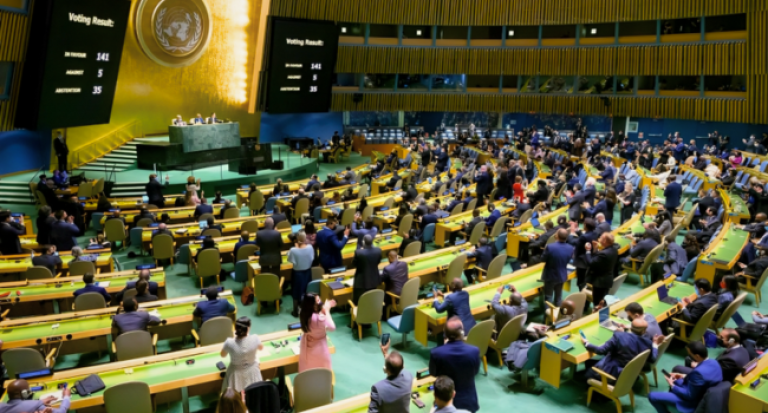
During a meeting with the Senate Committee on Health, Professor Ahmed addressed. The top medical directors of federal hospitals defended their budget projections for 2026 and told lawmakers the ugly truths about how hospitals work.
He noted that the rising cost of overhead, especially power and diesel, is at the heart of the dilemma. This affects hospitals’ capacity to provide even basic services.
Ahmed told the senators, “One big problem we brought up is the cost of overhead.” “Electricity and diesel take up a lot of our overhead.
We begged the Senate Committee to step in so that hospitals could keep providing services without stopping.
He says that rising energy costs are slowly eating away at money that should be used for patient care, equipment maintenance, and emergency response, forcing hospital administrators to always be in survival mode.
Professor Ahmed said that Nigeria is losing its medical workers at an alarming rate, not just because of money problems, but also because of worsening global economic conditions and pressures on the local system that are forcing doctors to leave the nation.
He said that the Federal Government can no longer keep enough doctors to suit the needs of the whole country. He called the situation a system-wide catastrophe that affects federal, state, and private institutions.
He stated, “This isn’t just a problem for state hospitals.” “Both federal and private hospitals are affected.”
The head of the FMC Abuja said that housemanship, the required internship period for new doctors, was a major source of stress.
He said that the amount of house officers that hospitals can take in is not random, but is based on the facilities, specialists, and training space they have.
He remarked, “Housemanship is hands-on training that doctors do before going to NYSC.” “But quotas aren’t like classrooms. It all depends on how many professionals, advisors, and facilities you have.
He said that if state governments and private hospitals worked better with the central housemanship allocation system, it may take some of the load off of federal institutions and provide up more training opportunities around the country.
Professor Ahmed also talked about how people are becoming more worried about snakebite emergency. This is because of a recent occurrence that led to a lot of anger and false information on social media.
The Medical Director gave a full account of the occurrence in response to media’ assertions that FMC Abuja didn’t have any anti-snake venom.
First, he offered his sympathies to the relatives of the dead person, and then he explained the medical facts.
He said, “The snake was a cobra.” “A cobra is one of the most poisonous snakes we know, and in these cases, time is very important.”
He said that the patient got at FMC Abuja more than two hours after being bitten, and by then the venom had already spread throughout the body.
Ahmed said, “We had anti-snake venom, even though what was said on social media was not true.” “Two doses were given right away, one right after the other.”
He said that even with the intervention, the treatment was far less successful because of the long wait before presentation.
He said, “If she had come in 10 to 15 minutes, anti-venom would have worked best.” “Sadly, the venom had already spread throughout the body.”
Professor Ahmed highlighted that all emergency procedures were followed, staff were fully present, and the hospital’s emergency services were working at their best.
“We had a complete supply of anti-snake venom for FMC Abuja. He remarked, “The emergency services were great, and the patient was seen right away when she got there.”
He said that the event was a somber reminder of how important it is to get medical help right away, especially in cases of deadly snakebites. He urged people to get help right away instead of waiting.
He said that FMC Abuja is completely equipped and ready for emergencies, even though he knows that not all hospitals are.
While budget debates are still going on at the National Assembly, Professor Ahmed’s presentation showed how bad things are: federal hospitals are fighting on several fronts, including rising prices, fewer staff, public misinformation, and the race against time in crises.
His message to lawmakers was clear: without urgent structural assistance, stable funding, and methods for keeping workers, even the best-equipped hospitals may have trouble saving lives when it matters most.
About the Author