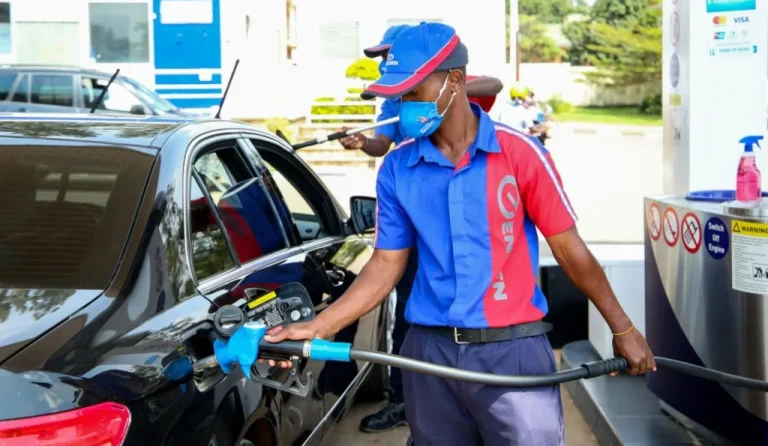

The Federal Government has promised Nigerians that the costs of fuel, gasoline, and liquefied petroleum gas (LPG) will keep going down across the country. This is because there is more supply, more competition, and more private sector investment in the oil and gas sector.
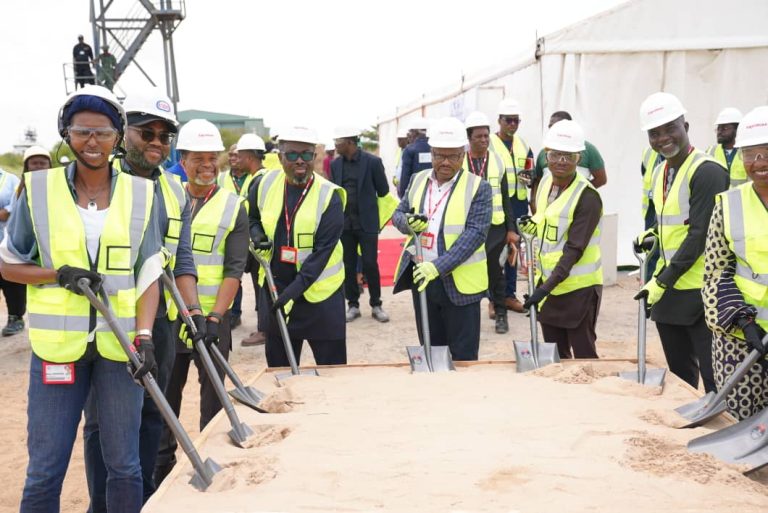
Mr. Saidu Mohammed, the Chief Executive of the Nigerian Midstream and Downstream Petroleum Regulatory Authority (NMDPRA), made the promise on Sunday while visiting Aradel Holdings Plc’s facilities in Ogbele community, Ahoada East Local Government Area of Rivers State.
Mohammed noted that recent market patterns demonstrated that better supply and competition were already having an effect. For example, petrol costs have dropped a lot in many parts of the country. He stated, “The more supply we have, the lower the price. This is already clear because competition has caused the price of petrol to fall from N1,000 to N800 per litre.”
He says that removing the gasoline subsidy has made the downstream industry work better, which has given private investors the chance to increase capacity and keep prices stable. Mohammed further said, “Sustained competition, not subsidies, will ensure that Nigerians have enough petrol and gas at prices they can afford.”
He underlined the need for new refineries with sophisticated conversion capacity capable of generating petrol, diesel, LPG, fuel oil and naphtha, adding that Nigeria’s long-term goal was not just to meet domestic demand but also to export petroleum products to Africa, Europe and the Americas.
He remarked, “But before large-scale exports can begin, local operators must first meet domestic demand.”
Mohammed said that President Bola Tinubu’s first big policy move, getting rid of the gasoline subsidy, had opened up the private sector and encouraged investments all throughout the oil and gas value chain.
He said that the Nigerian National Petroleum Company Limited (NNPCL) was still in charge of running the state-owned refineries. He also said that the NMDPRA was working with the company to make sure that crude oil and petroleum products were delivered to the Port Harcourt and Warri refinery reserves.
“Delivering goods to the reserves and restarting loading at the refineries will help local economies and get goods moving again in host communities.” He noted that Nigerians will start to feel the economic effects as soon as product loading starts again, even before full refinery operations.
The head of the NMDPRA said that the midstream sector is a major engine of Nigeria’s economic growth. It has the potential to boost manufacturing, electricity production, transportation, and other productive sectors. He stated that during his three-day operational visit of Rivers State, he saw facilities that proved Nigerians had the skills and money to create and run world-class energy infrastructure.
Mohammed praised Aradel Holdings, saying that the company has shown that refineries could be run efficiently and sustainably by locally owned businesses without the need for foreign operators. He said that Aradel’s continued growth would make it possible to load gas from its facilities before the end of 2027.
He stated, “Aradel has been supplying gas to Nigeria Liquefied Natural Gas (NLNG) for about 13 years. They have an 11,000-barrels-per-day refinery and a virtual gas pipeline that sends compressed natural gas to different parts of Nigeria.”
He also said that the Dangote Refinery was a big step forward, but it couldn’t cover all of Nigeria’s needs at home, on the continent, or around the world. This shows that more money needs to be put into refining and midstream assets. Mohammed told investors that the NMDPRA will keep giving them regulatory incentives to bring in big investments in the sector.
Mr. Adegbite Falade, the Managing Director of Aradel Holdings, thanked the regulator for its cooperation in his answer. He said that the company was still dedicated to increasing refining capacity, making gas available for sale, and stopping routine gas flaring.
Falade stated, “We are not overwhelmed by rising demand because the company is already expanding its refining capacity beyond what it is now.” “Aradel wants to be part of the long-term solution to Nigeria’s energy supply problems.” Nigerians should expect more growth, more value added locally, and more focus on meeting their own energy needs.
About the Author