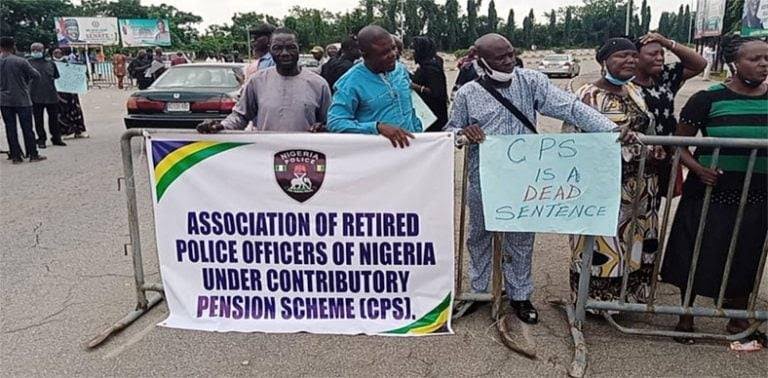

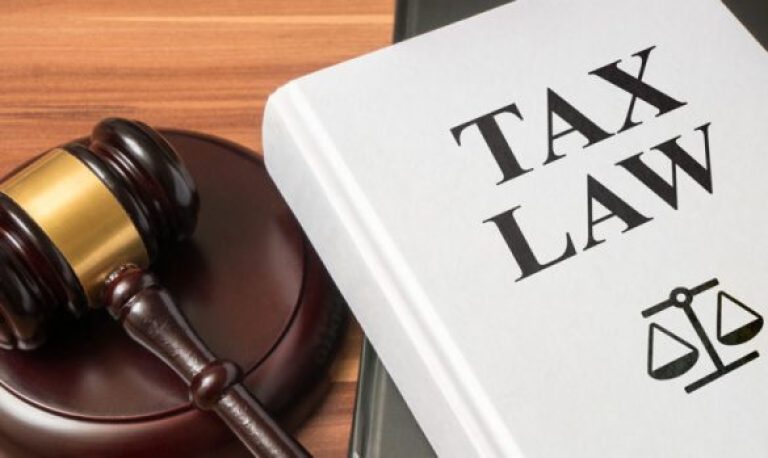
Despite criticism from various sources over the validity of the new tax legislation, Nigerian economists and activists have criticized the federal government’s determination to start implementing them on January 1.
One of the people who examined the bills’ introduction, Martin Onovo, a seasoned politician and petroleum engineer, called it “a very rough take-off of the forged Tax Acts.”
According to Sunday Independent, Onovo, a political activist and the National Conscience Party’s (NCP) 2015 presidential candidate, maintained that the Act “is not a law.”
Our correspondent was informed by Engr. Onovo, a petroleum industry participant and the current Head of Policy Positions at the Movement for Fundamental Change (MFC), that “a law must be as passed by the legislature and not as unlawfully proposed or forged by the Tinubu regime.”
“The forged Act met resistance from multiple sides,” he stated. The House of Representatives opposed it. Civil society opposed it, and several citizens brought legal action against it.
“The Tinubu administration was compelled to return to the legislatively enacted Act. The fear persisted even after the Tinubu administration returned to the National Assembly’s approved Act.
When our people understand the Act’s destructive intent, there will be more opposition. The Tinubu administration is the most corrupt and wasteful in Nigerian history.
It extorts money from Nigerians in a desperate attempt to finance its own corruption and waste. Tinubu has to leave!
Another seasoned activist, Baba Aye, disagreed that the new tax laws took off smoothly, pointing out that there were a number of opposing viewpoints.
Conceptually, capitalists
In response, Baba Aye, a Coalition for Revolution (CORE) Co-Convener, informed our correspondent: “Working-class activists are concerned that the new tax regime aims to deepen capital accumulation, including by turning the screws of extraction on us.”
“Since the Strike Adjustment Program established the foundation for this in the 1980s, it is a component of the larger framework of neo-liberal regulation that we have been forced to endure.”
Economist and financial specialist Professor John Ebhomien informed our correspondent that the implementation of Nigeria’s new tax legislation has been uneventful.
The All Progressives Congress (APC) chieftain and former World Bank/International Monetary Fund (IMF) consultant Ebhomien emphasized: “The government had hailed the reforms as ‘pro-people’ and intended to simplify taxation, but critics contend that the implementation has been tainted by controversy and confusion.”
Ebhomien listed “Digital bottlenecks” as one of the teething problems.
“Users reported slow response times on tax portals and difficulties with registration and data verification,” he clarified.
Establishment of Stakeholders
“Public confusion” is another issue, he stated. “Many small business owners and individuals remain unclear about new filing procedures and compliance timelines,” he explained.
Ebhomien also repeatedly brought up the subject of “Allegations of Unauthorized Changes,” stating that opposition politicians assert that the gazetted legislation include amendments that have never been approved by parliament, raising concerns about potential constitutional violations.
“The government has insisted on moving forward with the implementation despite these challenges, citing the need for tax reform to boost revenue and efficiency,” Professor Ebhomien continued.
The new legislation seeks to lower the tax obligations of 97% of small businesses and 98% of Nigerian workers.
“The government should take the following actions to ensure that this new tax policy is implemented effectively:
First and foremost, the government must set an example by emphasizing accountability and transparency. To educate the public and win their support for transformation, civic engagement is essential.
Second, hiring seasoned advertising firms can help make complicated policies easier to understand and reach a larger audience. Additionally, they will be able to effectively communicate their point and cut through the clutter.
“Citizens can express questions and receive direct feedback during town hall meetings and community outreach programs, which can add a personal touch. This can guarantee that everyone is in agreement and foster confidence.
Social media has the power to spread the word and connect with more people, particularly young people. When used effectively, it can increase participation and promote diversity.
PROGRESSIVE TAX STRUCTURE INTRODUCTION
The new tax reform in Nigeria, which began on January 1, intends to streamline the tax system, lessen pressure on low-income earners, and raise government revenue, according to Bishop Herbert Ekechukwu, an economist and clergyman.
He stated that anyone who make N800,000 or less annually are not required to pay personal income tax.
“The new tax system introduces a progressive tax structure, where higher earners contribute a larger share of taxes,” he highlighted. “The highest rate is 25% for individuals earning over N50 million annually.”
“While medium- and large-sized businesses must pay 30% corporate tax, small businesses with annual revenue under N100 million are exempt from company income tax.”
Although it is too early to view the performance at this time, I can state that there is confusion and misunderstanding surrounding the entire matter.
A lot of people are hearing it for the first time. Others are unaware that it has begun. Others, however, are unable to complete the “NARRATIVE” form.
In conclusion, the public was not sufficiently made aware of this problem. To inform the public on the new tax reform, the government should communicate and work with media outlets and non-governmental organizations (NGOs).
Human rights advocate Dr. Rexkennedy Saltlove stated that the tax issue is not a bad idea in the first place.
According to Saltlove, President/Executive Director of the Citizens Rights and Empowerment Advocacy Initiative (CREMA Initiative), he is a member of a platform or organization that includes some financial experts. He stated that he was among those who praised this tax subject in its early stages.
Fulfilling Statutory Requirements
According to the public affairs analyst, one way the government can fulfill its statutory duties to the people is by maintaining, improving, and constructing new infrastructure to enhance the lives of its citizens. This is because of the expanding population and the strain on the current infrastructure.
However, the problems lie in the government’s corruption, where purported “leaders” benefit themselves, their families, and associates at the expense of the public interest, the common good, and the citizenry.
Another is that taxes won’t be a burden for citizens if good governance allows the government to create jobs or a favorable business environment with guaranteed security and transparency in implementing its policies, addressing those fundamental issues that face viable business environments. This is because citizens will be proud to know that their taxes are their contributions to the development of their country, which will inspire a sense of pride that even helps to protect the system.
Now, to answer your question, I would give the new tax laws a 7 out of 10 for their seamless implementation despite their initial apprehension.
The regular public involvement of citizens by Mr. Taiwo Oyedele, the head of the Presidential Fiscal Policy and Tax Reform Committee, is one of the numerous measures used to arrive at that conclusion.
“He’s doing or has done a great job. By using a variety of media and interacting with pertinent bodies and organizations, he constantly attempts to resolve any ambiguities.
More importantly, our elected representatives in the Senate and House of Representatives raised their voices after noticing two different versions of the tax documents. We firmly believe that the original tax law was passed and signed into law because they exercised due diligence.
Second, the court dismissed the lawsuit, eliminating any potential legal obstacles to the tax legislation, undermining the attempts of those who went to court to prevent the Acts from becoming law.
The Nigerian Bar Association (NGA) and civil society organizations expressed concerns about the implementation and adherence to tax policies, rather than their formulation and enactment.
The signing of the tax laws was a fait accompli with no negative response of any kind because of these future worries.
But since they don’t know which version was signed, there’s a good chance the federal government has put off releasing rules for implementing the new tax legislation.
That’s a topic for another time, but it’s a positive step.
“In order to prevent the collapse of the populace due to excessive taxation, the government and tax reform committee engaged citizens, and the willingness of citizens to comply as the benchmark was clear from where the taxing will start, with good breathing space for small-scale businesses.”
“I give this government a 7 out of 10, which is a fantastic pass mark, because the court struck out the objection against signing the measures into laws, ensuring their smooth takeoff. I previously gave the performance a 2 or a 3 out of 10.
About the Author