
Following US President Donald Trump’s threat of “very strong action” if the Islamic Republic proceeds with hangings, Iran today promised to expedite trials for those detained in connection with a large wave of protests.
According to AFP, a rights group claims that the crackdown on the protests has killed hundreds of people, sparking international outcry and posing one of the worst threats to Iran’s religious government to date.
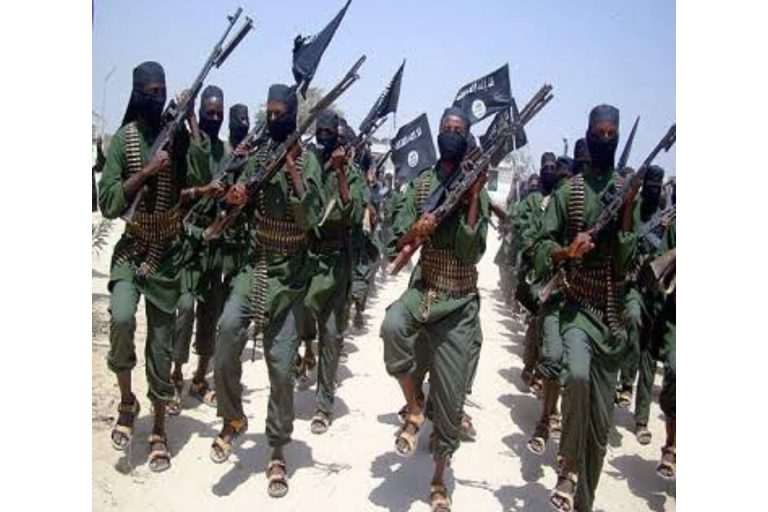
Following many nights of large-scale rallies, Iranian authorities have maintained that they have taken back control of the nation, accusing the protesters of committing “acts of terror” similar to those carried out by the Islamic State.
During a visit to a prison housing protest detainees, Gholamhossein Mohseni Ejei, the head of the judiciary, stated on state television that “if a person burned someone, beheaded someone and set them on fire then we must do our work quickly.”
He was also quoted by Iranian news sources as saying that the trials need to be held in public and that he had examined the cases for five hours in a Tehran prison.
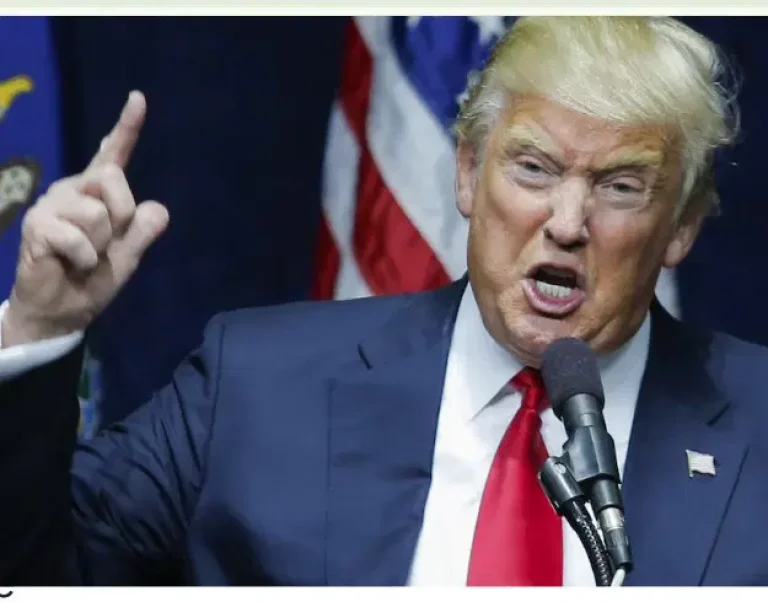
In an interview with CBS News yesterday, Trump stated that if Iran started hanging demonstrators, the US would take action.
The American leader, who has frequently threatened to intervene militarily in Iran, declared, “If they do such a thing, we will take very strong action.”
“You’re talking about hanging now, and they’re killing thousands of people.” Trump stated, “We’ll see how that works out for them.”
The American concerns were referred to by Tehran as a “pretext for military intervention.”
In a statement published on X, Iran’s UN mission vowed that Washington’s “playbook” would “fail again.”
In order to provide a pretext for military involvement, the post stated that sanctions, threats, planned unrest, and instability are all part of the US’s regime change ambitions and policy toward Iran.
The government is accused by rights organizations of shooting demonstrators to death and hiding the scope of the operation by imposing an internet blackout on January 8.
In a post on X today, internet watchdog Netblocks stated, “Metrics show #Iran remains offline as the country wakes to another day of digital darkness.” The blackout lasted for 132 hours.
However, some information has leaked from Iran. There were victims lined up in the Kahrizak morgue, just south of the Iranian capital, with the dead covered in black bags and heartbroken family looking for loved ones, according to new social media videos whose locations were confirmed by AFP.
According to Tehran prosecutors, some detainees would face capital penalties for “waging war against God.”
Requests to stop executions
Erfan Soltani, 26, was condemned to death today, according to the US State Department’s Farsi language X account.
The State Department stated that more than 10,600 Iranians had been arrested and that Erfan was the first demonstrator to get a death sentence, but he wouldn’t be the last.
Amnesty International, a human rights organization, demanded that Iran immediately stop all executions, including Soltani’s.
“I have cancelled all meetings with Iranian Officials until the senseless killing of protesters STOPS. HELP IS ON ITS WAY,” Trump said on his Truth Social platform, urging Iranians to “KEEP PROTESTING.”
What meetings he was referring to and the type of assistance would be unclear at first.
“Increasing casualties”
The European Union and several other European nations, including France, Germany, and the United Kingdom, have also expressed their outrage about the crackdown by calling for their Iranian ambassadors.
“The increasing number of casualties in Iran is horrifying,” EU leader Ursula von der Leyen declared, promising more penalties.
Iran Human Rights, an NGO based in Norway, acknowledged that 734 people were murdered during the protests, including nine children, but cautioned that the actual number was probably far higher.
“The actual death toll is probably in the thousands,” stated Mahmood Amiry-Moghaddam, director of IHR.
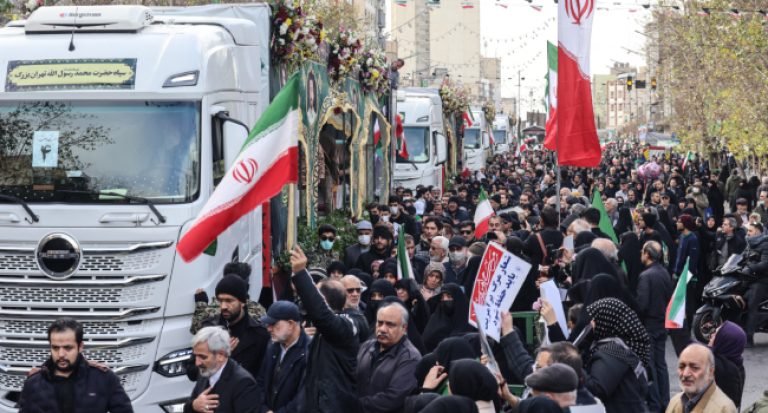
Numerous security forces members have reportedly been slain, according to Iranian official television, and their funerals have evolved into sizable pro-government demonstrations.
Tehran authorities have stated that the “martyrs” of the past few days will be given a mass funeral service in the capital on Wednesday.
On Monday, Amir, an Iraqi computer expert, returned to Baghdad and recounted dramatic events in Tehran.
“Despite a strong military presence, my friends and I witnessed demonstrators in Tehran’s Sarsabz neighborhood on Thursday night. He told AFP in Iraq that the police were using rubber bullets.
The son of Iran’s overthrown shah, Reza Pahlavi, who lives in the US, urged the military to cease putting down rallies.
In a statement, he declared, “You are the Iranian national military, not the Islamic Republic’s military.”
“Serious challenge”
With statewide rallies that supreme leader Ayatollah Ali Khamenei praised as evidence that the protest movement was vanquished and referred to as a “warning” to the United States, the government has attempted to retake the streets.
Khamenei has been in charge since 1989 and is currently 86 years old. He has encountered several difficulties, most recently the 12-day war against Israel in June that caused him to flee into hiding.
Because of the oppressive tools under the leadership’s disposal, such as the Revolutionary Guard Corps, which is tasked with defending the Islamic revolution, analysts have warned that it is too soon to forecast the theocratic system’s immediate collapse.
Professor Nicole Grajewski of the Sciences Po Centre for International Studies told our correspondent that while the protests posed a “serious challenge” to the Islamic republic, it was unclear if they would topple the government due to “the sheer depth and resilience of Iran’s repressive apparatus.”
About the Author