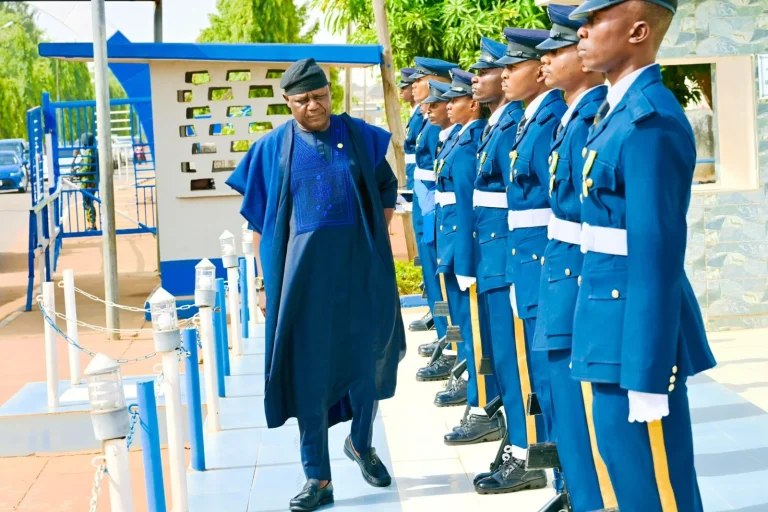

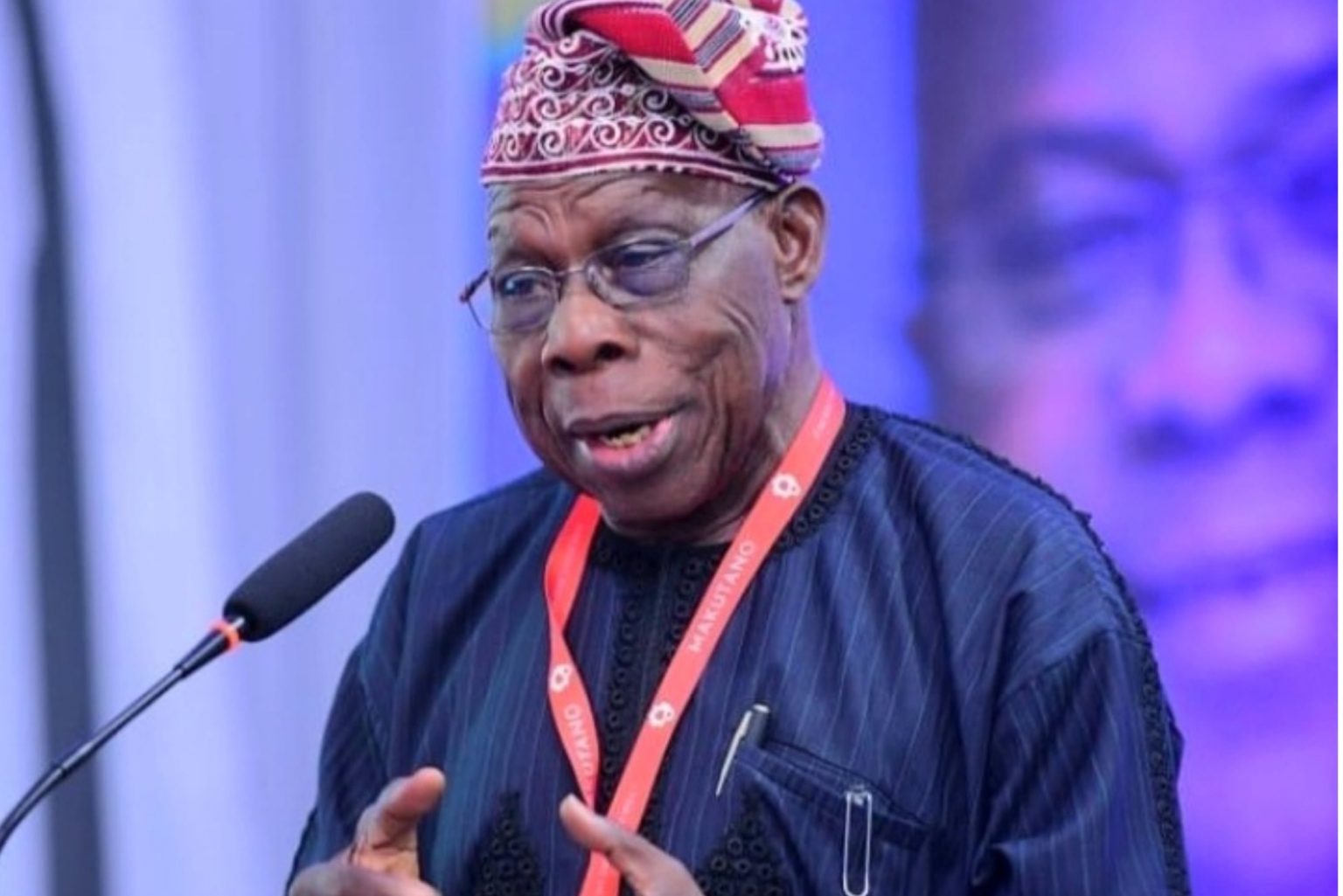
Former President Olusegun Obasanjo has indicated that the changes he made as Nigeria’s military head of state were meant to keep the country’s labor movement from being influenced by other countries at the height of the Cold War.
Obasanjo spoke at the 85th birthday party and book launch of Hassan Sunmonu, the former president of the Nigeria Labour Congress (NLC), in Abuja. He said that rival labor groups were getting money from the CIA in the US and the KGB in the Soviet Union. He said this hurt Nigeria’s sovereignty, according to The Guardian.
The KGB was funding one labor faction, and the CIA was funding the other. That was the truth. Then I showed up.
“I needed a Nigerian labor union that was run, organized, and paid for by Nigeria. I decided that there would be a reform of the labor union, and I think Justice Adebiyi was the right person to lead it. Hassan was one of the first people to question, “What do I know about labor that I’m asking for change?” “What is my business?”
He went on to say that the changes, which were led by Justice Adebiyi, led to the formation of the NLC and the election of Sunmonu as its first president.
He said, “What happened when Justice Adebiyi was done with his work and we changed the laws for labor and trade unions to create the NLC?” They chose their leader without the help of the government, and Hassan became the first leader they chose. I don’t remember how I felt then, but I was at ease.
Obasanjo also remembered telling Sunmonu to publicly criticize him after private sessions to keep his independence and the trust of the workers. He added that the establishment of a mandatory check-off mechanism made union funding more solid and less dependent on foreign sources.
“I don’t know anything about labor, but I know I wanted a Nigerian labor organization run by Nigeria, led by Nigeria, and paid for by Nigeria,” he said.
Senator Adams Oshiomhole, a former president of the NLC, likewise promised to support organized labor for the rest of his life.
“I will be with labor until the end of my life,” he stated, telling unions to organize instead of worry.
Joe Ajaero, the current president of the NLC, took the opportunity to criticize government policies, especially new tax laws. He said that taxing the national minimum wage made life harder for workers and made poverty worse.
Ajaero said, “Tax laws that tax the national minimum wage, put more stress on workers and the poor, and make poverty worse are not progressive but regressive.”
He said that the government left workers out of the Presidential Committee on Tax because they were “meant to be on the menu.”
Ajaero also talked about Nigeria’s growing debt and cautioned that not include workers in policy-making would hurt trust and stability. The idea of “Organize, Don’t Agonize” also means that the government should work with people, not make them angry. He remarked, “There is an urgent need for deeper, more sincere, and structured engagement with the trade union movement at all levels.”
Femi Falana, SAN, a human rights lawyer, advised present labor leaders to follow Sunmonu’s example of moral leadership. He pointed out that 62% of Nigerians are multidimensionally poor.
The celebration of Sunmonu’s book, Memoirs of an African Trade Union Icon: Organize, Don’t Agonize, sparked a discussion about Nigeria’s workers’ future and a look back at the past. It also brought to light the conflict between the government’s policies and labor’s demand for inclusion.
About the Author