
Concerns over recent federal government policy initiatives, such as proposed tax revisions, have been voiced by the Muslim Students’ Society of Nigeria. They have warned that if issues of justice, fairness, and inclusivity are not sufficiently addressed, these actions run the risk of escalating public mistrust.
During the inaugural ceremony of its B-Zone Islamic Vacation Course, which was conducted at the intended permanent location of Al-Ummah University, along the Ibadan–Lagos Expressway, Onigari, Ogun State, today, the body of Islamic students made this revelation.
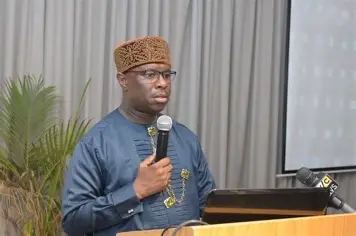
According to Saturday PUNCH, Mallam Tajudeen Mustapha, the National President of the Society, stated during the event that “Nigeria is grappling with multiple challenges ranging from economic hardship and insecurity to moral decline and leadership deficits,” emphasizing that policies seen as unfair further erode citizens’ confidence in governance.
Mustapha emphasized that “the growing lack of trust in the management of public resources is the core issue, not taxes themselves.”
As a result, he voiced worry that “agreements and reforms like the taxation that raise questions of equity and sovereignty make citizens sceptical and disengaged.”
The national leadership stressed that “authorities must ensure policies are guided by justice, transparency, and accountability to regain public confidence,” warning that accountability in governance is not optional.
The Amir of MSSN, B-Zone, Mallam Moshood Kolawole, had earlier in his welcoming speech referred to the vacation course as the society’s flagship program, pointing out that it offers a forum for contemplation on personal development and societal duty.
Participants from a variety of backgrounds in southern Nigeria were brought together, according to Kolawole, to address concerns of moral decline, economic pressure, insecurity, and value degradation, all of which he claimed call for genuine group action.
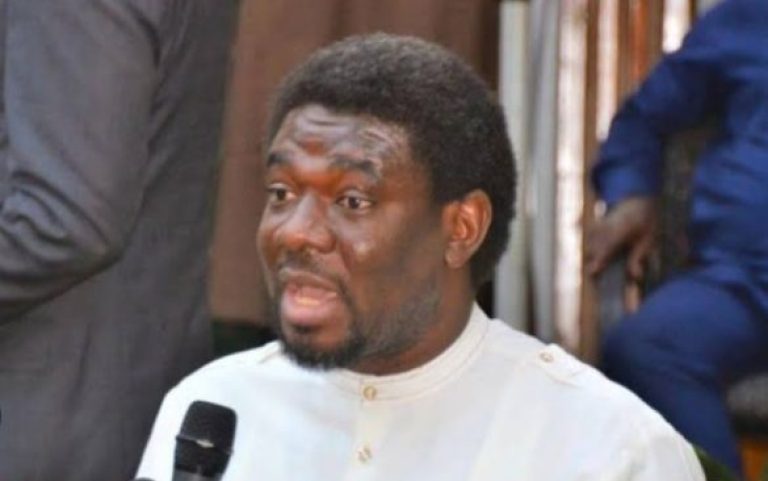
Dr. Taofeek Abdul-Hameed, Imam of the Muslim Community, Federal Polytechnic Ede, Osun State, and Rector of Federal Polytechnic Ayede, Oyo State, said in his lecture titled “We Are All Responsible” that everyone in society is accountable.
Abdul-Hameed clarified that when people and leaders do not behave responsibly, social injustice, corruption, insecurity, and moral decay continue. He also added that being silent in the face of evil is equivalent to involvement.
He emphasized that accountability in Islam encompasses deeds, words, and inactions, pointing out that professionals, parents, leaders, and young people are all accountable for the results of society.
10,158 delegates registered from the Edo, Delta, and Rivers axis, according to the organization’s chief registrar, Abdulrazak Yusuf, who credited the high turnout to enhancements made to the online registration system that was implemented for the previous edition.
He asked Area Units to step up their education efforts before next programs, acknowledging the difficulties in raising awareness, pointing out that some members’ lack of information of online registration resulted in attempts at physical registration.
The 115th IVC, which takes place every year from December 23 to January 1, continues to be a significant venue for Muslim students in southern Nigeria to engage in civic life, develop their leadership skills, and find spiritual refreshment.
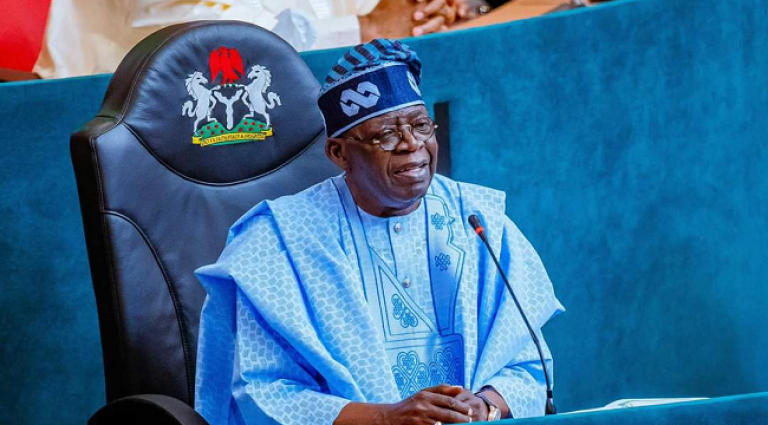
Six months ago, in June, President Bola Tinubu signed a historic package of tax reform legislation into law, which was the most extensive transformation of Nigeria’s fiscal architecture in decades.
However, Nigerians are now more fearful and anxious about the new tax regime, which is scheduled to go into effect in January 2026.
Many critics have voiced concerns that the new tax law will merely make Nigerians’ existing financial problems worse, despite the federal government’s repeated assurances that it would strengthen the nation’s economic policy and bring about major advantages.
About the Author