
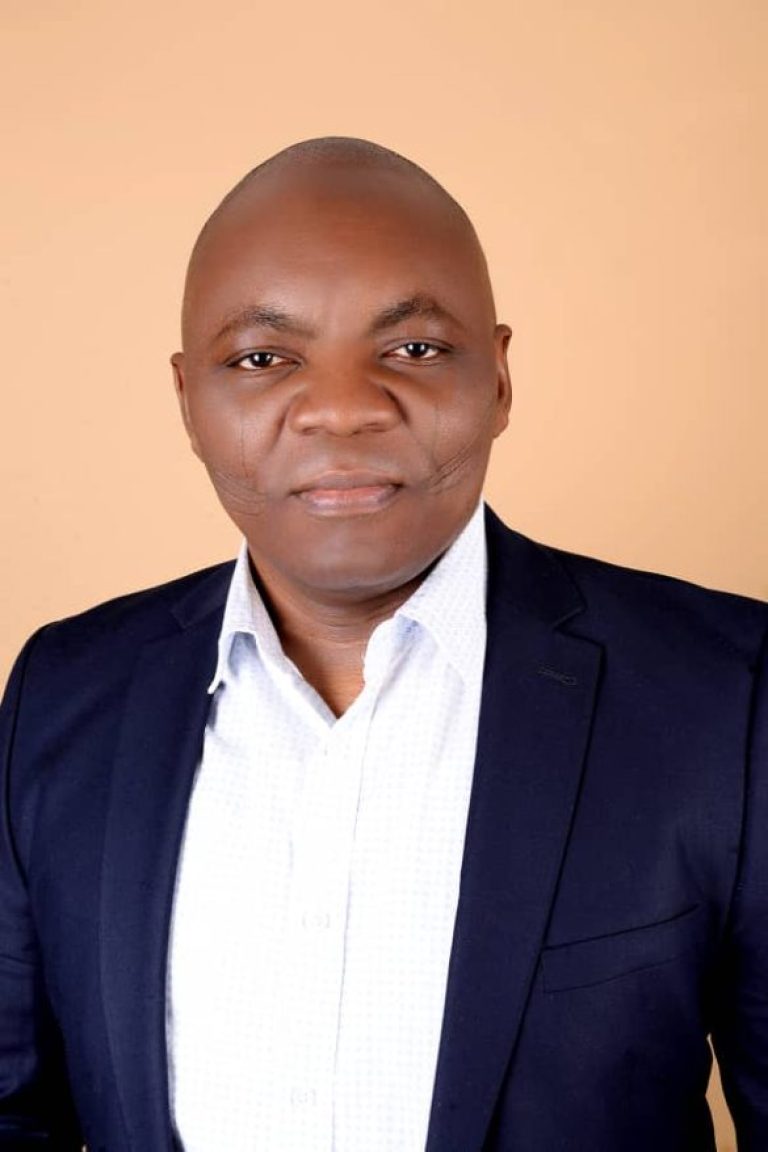
The Director-General of the Nigeria Natural Medicine Development Agency, Professor Martins Emeje of Nigeria, has been named co-chairman of the WHO’s recently formed Strategic and Technical Advisory Group on Traditional, Complementary, and Integrative Medicine (STAG-TM).
The historic Strategic and Technical Advisory Group on Traditional, Complementary, and Integrative Medicine was unveiled at the same time that Professor Emeje and Dr. Susan Wieland of Cochrane Complementary Medicine were nominated to Co-Chair STAG-TM, according to Sunday Independent.
The World Health Organization’s (WHO) dedication to equitable, inclusive, and scientifically sound leadership in the advancement of traditional medicine is demonstrated by the nomination of Professor Emeje and Dr. Wieland as Directors.
Both individuals contribute a wealth of experience in evidence-based research and natural product innovation, which aligns with the Group’s commitment to maintaining scientific excellence.
In announcing the establishment of STAG-TM, the United Nations health authority emphasized that the action is a key component of its Global Traditional Medicine Strategy 2025–2034, characterizing it as a significant step in bringing scientific rigor to traditional medicine.
“For traditional medicine, this is a critical time. It represents national health identities and cultural heritage, and it is becoming an essential part of primary health care plans, according to Dr. Yukiko Nakatani, Assistant Director-General for Health System, Access, and Data at WHO.
The initiative’s importance was emphasized by WHO Chief Scientist Dr. Sylvie Briand, who stated that “strong evidence standards, regulatory frameworks, or sustainable governance have not always matched its rapid growth.” To bridge this gap, the STAG-TM was developed. It is a formal WHO advisory process that offers Member States independent, strategic, and scientific counsel to help them navigate a subject that is becoming more and more complex; it is not an academic exercise.
The 19-member Group guarantees equal regional and gender representation and reflects a range of skills, having been chosen through an open worldwide selection procedure.
Members will be appointed to two-year terms, meet once a year, and work in thematic subgroups on collaboration, integration, regulation, and evidence gathering.
During its first meeting, which took place in New Delhi on December 17, 2025, in conjunction with the second WHO Global Traditional Medicine Summit, STAG-TM established two critical priorities: evidence generation and methodological advances.
Others include innovation and digitalization, capacity building through community involvement, and the documenting and preservation of traditional knowledge.
In order to further these priorities, WHO affirmed that the next steps include creating theme areas, forming targeted sub-groups, starting consultations, and producing the STAG-TM workplan for 2026–2027.
About the Author