
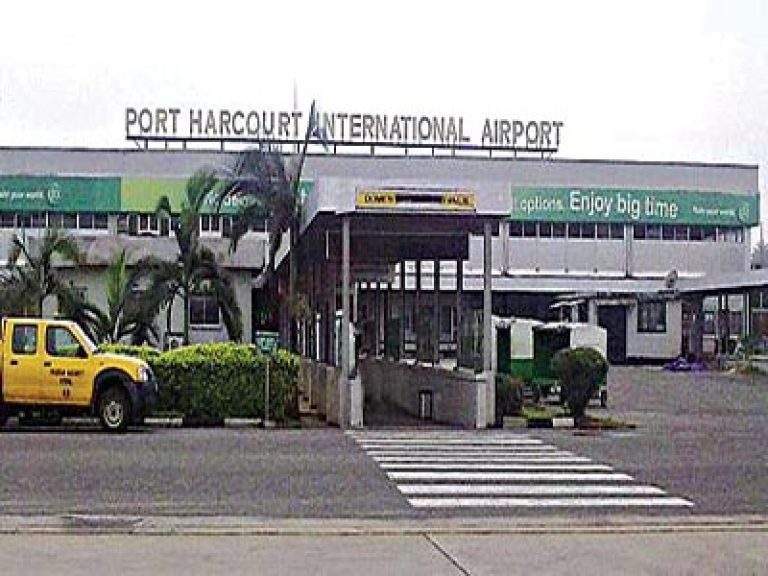
The Nigerian Civil Aviation (NCAA) has given the Mallam Aminu Kano International Airport (MAKIA) and the Jeremiah Obafemi Awolowo International Airport, Port Harcourt (JOAIA) the green light to operate.
According to the Daily Independent, this is the first time that the NCAA will certify both airports.
This also means that Nigeria now has four recognized international airports. They include Murtala Muhammed International Airport in Lagos and Nnamdi Azikiwe International Airport in Abuja, both of which were already certified.
Capt. Chris Najomo, the NCAA Director-General, was excited about the historic event. He said that the process was not just a formality; it was a sign of the NCAA’s strong commitment to making sure that every airport in Nigeria meets the standards set out in the Nigeria Civil Aviation Regulations 2023 Part 12, Vol. I, which is the Nigerian version of ICAO Annexe 14, Volume I.
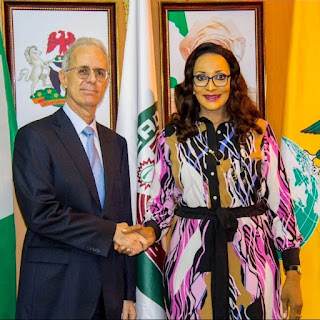
Today, at the NCAA Corporate Headquarters in Abuja, Capt. Najomo gave the Managing Director of the Federal Airports Authority of Nigeria (FAAN), Mrs. Olubunmi Kuku, the certificates for both airports. He said, “Both MAKIA and JOAIA have now been found to be compliant and have no significant safety concerns.”
He stressed that getting an airport certified is not just a formality; it is a globally accepted proof that the aerodrome’s infrastructure is safe, its operational procedures satisfy international standards, and its safety management systems are working.
The NCAA’s CEO went on to say that the certification would lower the aerodrome’s insurance costs by a large amount.
“Certification makes the airport look less risky to insurers, which typically leads to lower insurance premiums and better underwriting circumstances for the airport operator and, in some situations, the airlines and other companies who work there. He said, “This certificate is a seal of confidence for airlines, investors, and the public.”
“For Nigeria, this is another step toward making our aviation more credible and competitive.” He went on to say, “I dare say that it fits with the Honourable Minister’s 5-point agenda in particular and Mr. President’s Renewed Hope Agenda in general. This agenda focuses on renewing infrastructure, strengthening institutions, and improving service delivery across strategic national sectors, including aviation.”
He said again that the NCAA would always follow Nigerian Civil Aviation Regulations and ICAO Standards and Recommended Practices (SARPs), keep strong safety management systems in place, use technology to improve operations, make sure that all processes are quality-driven and open to all stakeholders, and support the long-term growth of the aviation industry and the national economy, as required by our mandate.
Mrs. Kuku, the Managing Director of FAAN, remarked that the agency received the certificates with humility and a clear grasp of the responsibilities they come with.
“We agree with the Authority’s note about the items that are still missing from the corrective action plan.” She guaranteed the NCAA that we would follow this plan to the letter.
“We have already put together specific teams and methods to deal with them quickly and accurately. We don’t see this as a footnote; we see it as the next important step in our promise to keep getting better. “We want everyone to follow the rules, and we won’t stop until every single issue is resolved,” she said.
Getting these two big international gateways certified is a key part of Nigeria’s aviation sector’s expansion strategy. It gives airlines more confidence, passengers more peace of mind about our commitment to world-class safety, and Nigeria a better reputation in the global aviation community. She remarked, “It is a clear sign that our airports are run with honesty, professionalism, and strict adherence to international standards.”
Engr. Godwin Balang, the Director of Aerodrome and Airspace Standards (Daas), said earlier in his comments that it is his job to make sure that every aerodrome in the country meets the technical, operational, and safety standards set out in Nig.CARs Part 12, Vol. I, with help from the NCAA Advisory Circular NCAA-AC-ARDO02.
“Our inspectors did a lot of checks and confirmed that the necessary corrective actions were taken until most of the gaps were satisfactorily filled. There were still a few gaps that needed to be filled, so we had to put in place the necessary restrictions to make sure that the certificates issued were in line with the current situation,” he said.
“We will keep doing our surveillance duties by doing regular inspections, audits, checking the accuracy of reported data, and taking action when needed,” he said in a statement.
About the Author