
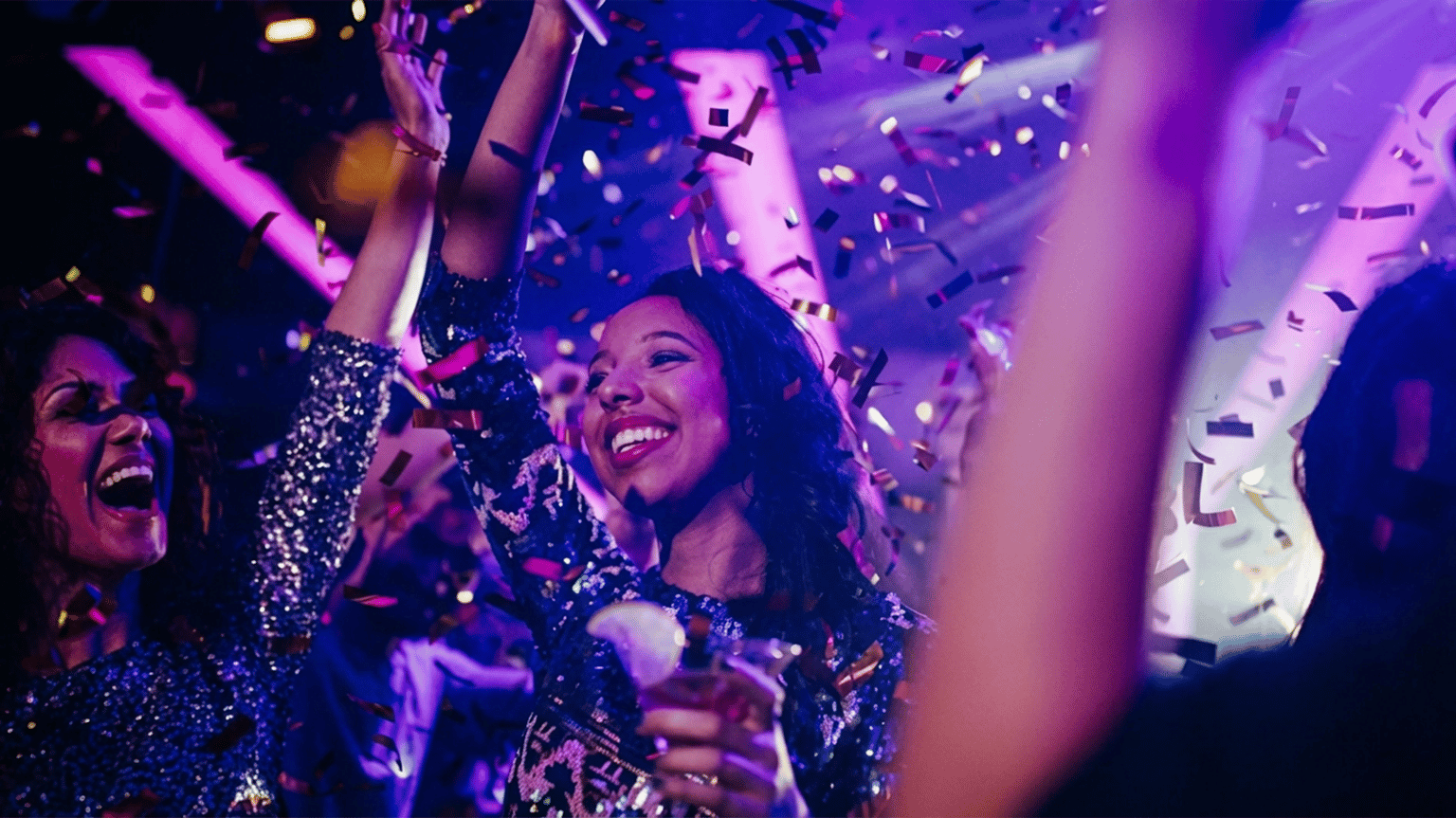
Lagos is getting ready for “Detty December,” the end-of-year frenzy in Nigeria, with hotels already booked and festivals and performances in full swing.
The megacity hosts a yearly influx of Nigerians and visitors, with a disproportionate number of people from the country’s large diaspora, who come to celebrate the holidays with loved ones and, according to AFP, have a good time.
In spite of the government’s declaration of a state of emergency last month in response to widespread kidnappings in the country’s north and center and the severe inflation that has gripped the nation for two years, the economic capital of Nigeria and the southern anchor, Lagos, will be rocking with music and cocktails.
Not only is it an integral part of popular culture, but it also generates millions of dollars in revenue for the hospitality, food, and tourist industries.
“I’ll call it a cultural pilgrimage,” said Deola Art Alade, a festival organizer whose husband and she trademarked the term “Detty December” in 2019 and put on an annual event that combines culinary activities, concerts, and nightclubs.
“Detty” is a form of “dirty” in Nigerian Pidgin English; it alludes to the crazy, never-ending parties that happen when the city’s population expands above its typical 20 million or so.
– Earnings in the millions –
The government is attempting to capitalize on the yearly homecoming by forming a partnership with the Art Alades’ festival, which will include street parties and prominent concerts.
According to Hannatu Musa Musawa, the Minister of Culture, “Together we are moving Detty December from a social trend to a structured national asset.” This announcement was made last month.
Last year, the different celebrations that took place throughout the month of Lagos brought in almost $71.5 million for the state coffers, with the hotel industry alone contributing $44 million.
In spite of the country’s severe economic crisis, which caused inflation to exceed 30% in 2024, that amount was much-appreciated.
The government, encouraged by the success of the annual custom, launched a cultural and touristic program called “101 Days in Lagos” this year. The preceding three months were jam-packed with events, including exhibitions, conventions, and festivals, culminating in a “Detty December” celebration.
“The true summer of Africa” –
The spouse of Deola Art Alade, Darey, told AFP that it is “Africa’s real summer,” and there is proof that its popularity is growing beyond the typical diaspora.
According to Darey, there is a “Dirty December fever” and people are traveling to visit their loved ones, bringing along their friends and family.
“This year, we have a lot of Americans living in America, you know? Black Americans are now considering coming out here and paying for packages, just to have a different kind of experience,” Iyadunni Gbadebo, sales director for Eko Hotels & Suites, told our correspondent.
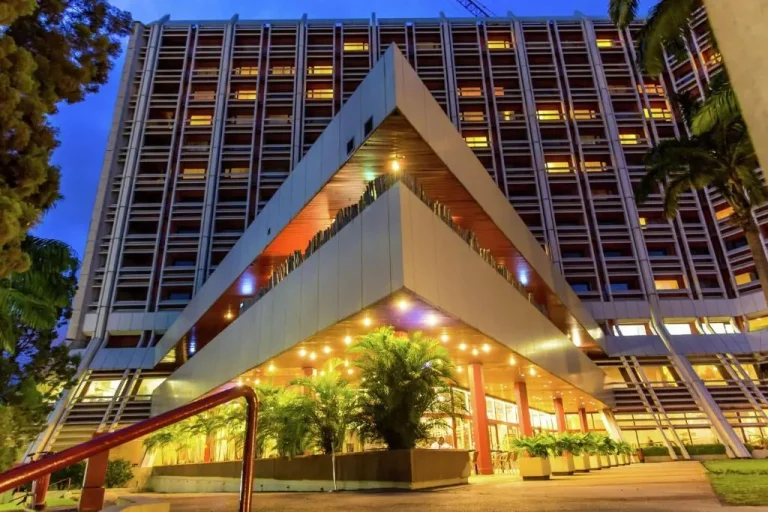
With 825 rooms and nine restaurants and bars, this hotel is Lagos’ largest, and December brings in between 15% to 20% of the total revenue.
The hotel is fully booked by November, and people begin making reservations as early as July.
Expect exorbitant pricing in Lagos, a city brimming with oil riches and informal slums: a family of four’s weekly package can cost anything from eight to thirteen million naira ($5,500 to $9,000 USD), room by room.
Concert lineups are the best part of the holidays every year, though, and international Afrobeats superstars are just as excited to perform at the homecoming as their fellow citizens.
On Christmas Eve and Christmas Day, respectively, Asake and Davido will be performing this year.
The price of a ticket is four times the federal minimum wage, which is 70,000 naira ($50) each month.
About the Author