
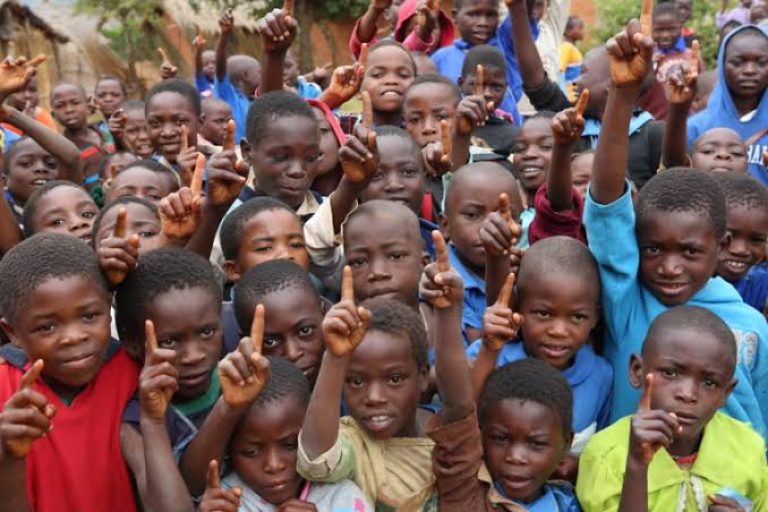
The United Nations Children’s Fund (UNICEF) and the federal government have asked media organizations and professionals to speak up for Nigerian children and protect their rights.
The Federal Ministry of Information and Orientation underlined how important the media is for developing public understanding, changing attitudes, and protecting the most vulnerable elements of our society, especially children, according to the Daily Independent.
Ogbodo Nnam, Permanent Secretary of the Federal Ministry of Information and National Orientation, spoke at a two-day training for journalists in Ibadan, Oyo State, on ethical journalism and reporting on children’s rights. He said that the media’s expertise was in the area of ethical reporting of child protection.
Temitoye Falayi, the Assistant Director and Head of the Child Rights Information Bureau of the ministry, spoke for Nnam. He added that the training was meant to help journalists think about their ethical responsibilities.
He stated the purpose is to “find the best ways to report on issues affecting children and improve our understanding of child rights as they are protected by national laws and international treaties.”
He said, “The media has a lot of power, the power to inform, inspire, and hold institutions accountable.” But with that authority comes a heavy responsibility: to report honestly, with care, and with regard for human dignity.
“When it comes to stories about kids, that duty is even bigger. Every picture, word, and frame we share can have a long-lasting effect on a child’s life, safety, and future.
Nnam said, “We want to create a media culture that protects children’s identities, responsibly amplifies their voices, and upholds the highest ethical standards through open discussion, case studies, and shared experiences.”
In her keynote speech, Celine Lafoucriere, the head of UNICEF’s Lagos Field Office, said that it is important to report on children in a way that does not abuse their rights in order to get attention-grabbing headlines.
Lafoucriere remarked, “UNICEF believes that every child has the right to be seen, heard, and protected.” It is not only a professional standard to report ethically; it is also a moral duty. She said, “It’s about making sure that children are treated with respect, that their stories are told with care, and that their rights are never put at risk in the name of making money or getting headlines.”
“We expect you to leave this training not only with new skills but also with a renewed commitment to uphold the highest standards of journalism, especially when it comes to children.” Lafoucriere went on to say, “We hope you will become champions of ethical reporting in your newsrooms and communities, setting an example for others to follow.”
She also said, “By choosing to report fairly, you are helping to make Nigeria a place where every child is valued, protected, and given the chance to succeed.”
Geoffrey Njoku, a UNICEF Communication Consultant, talked on how children’s rights have changed over time, from worldwide declarations to Nigeria’s adoption of the UN Convention on the Rights of the Child (CRC) as the Child Rights Act (CRA) in 2003.
He told them, “Don’t hurt any child; don’t ask questions, make comments, or have attitudes that are judgmental or insensitive to cultural values, that put a child in danger, or that make them feel ashamed or relive trauma.”
Njoku said, “Do not choose children to interview based on their sex, race, age, religion, or physical ability.”
Jide Johnson, a UNICEF Child Rights Specialist, said that children are still the most vulnerable to poverty and abuse. He also said that ethical reporting is very important for dealing with problems like early marriage, trafficking, sexual abuse, and female genital mutilation.
Giving, Blessing Ejiofor, a UNICEF Communication Officer, said that journalists, as defenders of human rights, have a duty to use their platforms to make things better for children and families all over Nigeria.
Ms. Sussan Akila, the Acting Chief of Communication, Advocacy, and Partnership at UNICEF Nigeria, talked about how important it is for journalists to present stories in a responsible way and be trusted voices for children.
“People often say that kids are the leaders of tomorrow, but can they speak for themselves? No. That’s why we need to make sure we speak for them correctly. We might do more harm than good if we don’t report responsibly. She remarked, “Ethical reporting protects their rights, makes sure justice is served when they are wronged, and keeps them safe in the process.”
Akila told reporters not to divulge the names of juveniles in sensitive cases and not to give in to editorial pressures that could lead to unethical behavior. She stated, “We must report stories that are reliable, balanced, and uphold the dignity of children.”
She went on to say, “As advocates for human rights, it is our duty to put first and promote change that will make the lives of children and their families better through our channels and networks.”
About the Author