

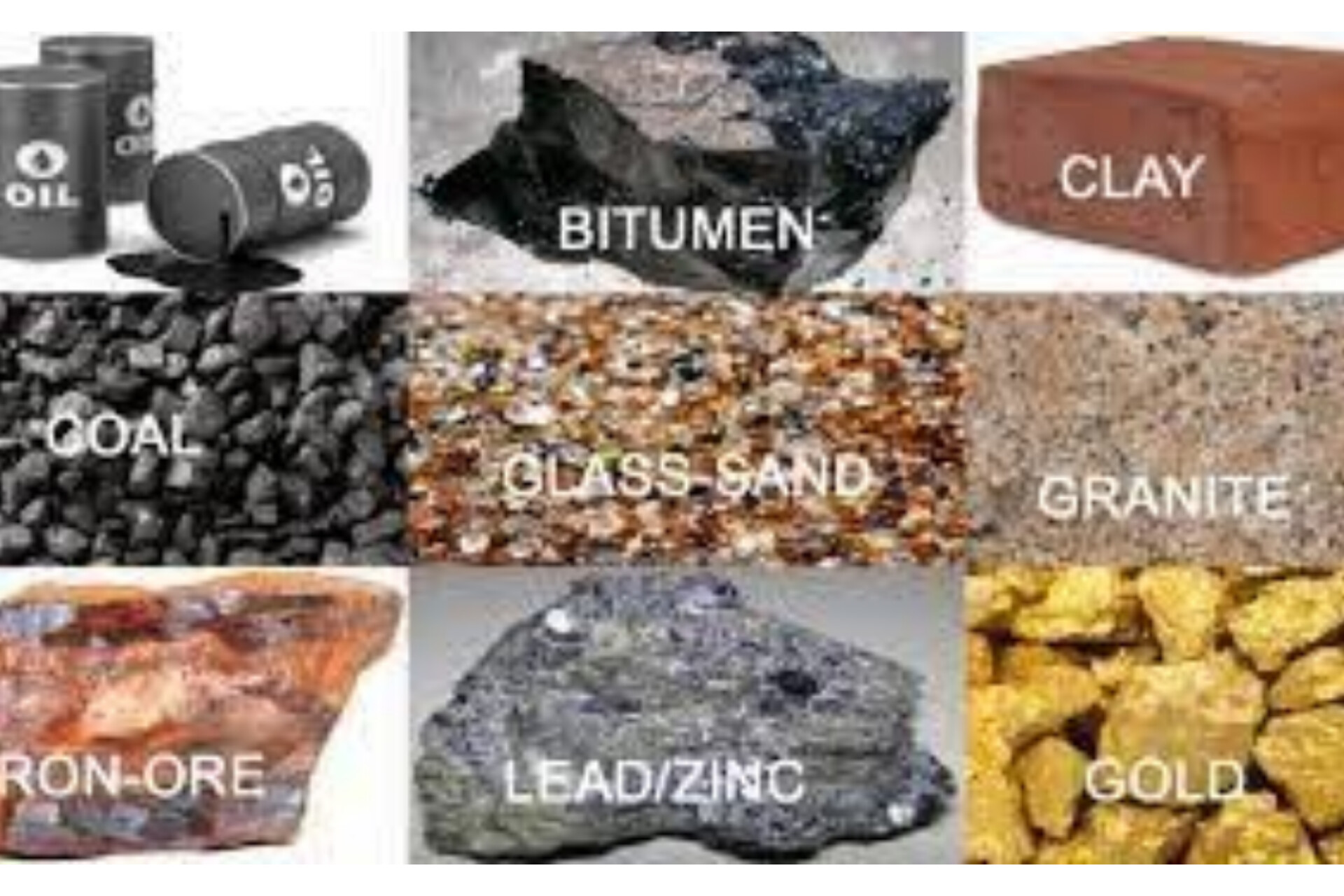
The National Economic Council has given its Ad-hoc Committee on Crude Oil Theft Prevention and Control more work to do, including stopping illicit mining.
The PUNCH said this is precisely like when the council sounded the alarm that gold and other solid minerals are being mined and stolen in the country.
Hope Uzodimma, the governor of Imo State and head of the committee, told State House reporters this after the 153rd NEC meeting, which was held at the Presidential Villa in Abuja today and led by Vice President Kashim Shettima.
Uzodimma noted that the government’s goal is to stop resource theft and raise money from Nigeria’s solid minerals sector.
Today, the National Economic Council Ad-hoc Committee on Crude Oil Theft Prevention and Control, which I chair, gave the Council an interim report.
Uzodimma stated, “NEC was happy with our report and expanded our Terms of Reference to include solid minerals as well. This is because our solid minerals are being mined and stolen and not adding to national revenue.”
He said that the committee’s new job would help it work with the Ministry of Solid Minerals Development and other federal and subnational organizations to stop illegal gold mining and other types of mineral smuggling that have cost the country a lot of foreign exchange.
The governor said, “In the future, our committee will work with other government agencies to figure out how to make sure that the country’s income from solid minerals like gold and other solid minerals is not stolen.”
The NEC’s Ad-hoc Committee on Crude Oil Theft Prevention and Control was originally set up by former President Muhammadu Buhari in August 2022.
President Bola Tinubu put it back together in December 2023, and Uzodinma was named chairman.
The committee’s first job was to deal with the problem of stealing crude oil and damaging pipelines.
It was made after a lot of oil theft that hurt national production and made foreign oil firms close down important pipelines.
At the time, Nigeria was only producing 700,000 to 800,000 barrels of oil per day, which was well below its OPEC quota. This cost the country billions of dollars in missed export earnings.
Uzodimma said that the committee had helped expand daily crude oil production to more over 1.7 million barrels per day in the past 22 months by using what he called a “collaborative approach” that included regulators, operators, and the security forces.
The governor said, “Before May 29, 2023, when President Bola Tinubu took office, we were producing between 700,000 to 800,000 barrels of crude oil a day.
“We were able to get all the governors of crude oil-producing states and different security organizations involved by working with stakeholders, regulators, operators in the industry, and the Navy.”
“You would agree with me that daily production is now more than 1.7 million barrels a day, and there have also been fewer cases of vandalism of oil assets and pipelines.”
He noted that the council was happy with the development and chose to use the same model of intergovernmental cooperation, private-sector partnership, and multi-agency surveillance in the mining sector, which is having problems with resource theft.
“We are determined to make sure that the production of crude oil and gas is done in a way that is good for our people.”
Uzodinma stated, “Now that we have this new order, we will also protect our gold and other solid mineral assets.”
Illegal mining in Nigeria, especially for gold, lithium, and other valuable minerals, has grown into a multibillion-naira shadow sector.
The Nigeria Extractive Industries Transparency Initiative says that the country loses almost $9 billion a year to illegal mineral mining and smuggling.
The Federal Government has connected a number of unlawful mining enterprises to armed organizations in the North-West and North-Central regions. Gold is now a way for bandits to get money illegally.
The NEITI assessment from 2023 also found that more than 80% of mining in Nigeria was done without licenses or environmental control.
In September 2024, the Ministry of Solid Minerals Development took back more than 900 inactive licenses and said it will make plans for a national gold reserve program. But enforcement is still hard because there isn’t enough surveillance, there aren’t enough people, and there are too many rules that all do the same thing.
Uzodimma said that the extended mandate’s goal is to include the battle against illegal mining in the larger national resource protection framework that was used in the oil sector before.
He said, “We have done well,” and then added, “Among other things, we suggested that NNPC, along with security agencies and their advisors, should improve security in all the creeks and expand coverage to offshore areas. That will assist stop and keep an eye on ships that come and go from our export terminals without permission. This same spirit will now lead our solid minerals industry.
The committee should give its first report on how things are going with the extended mandate at the next NEC meeting in November.
About the Author