
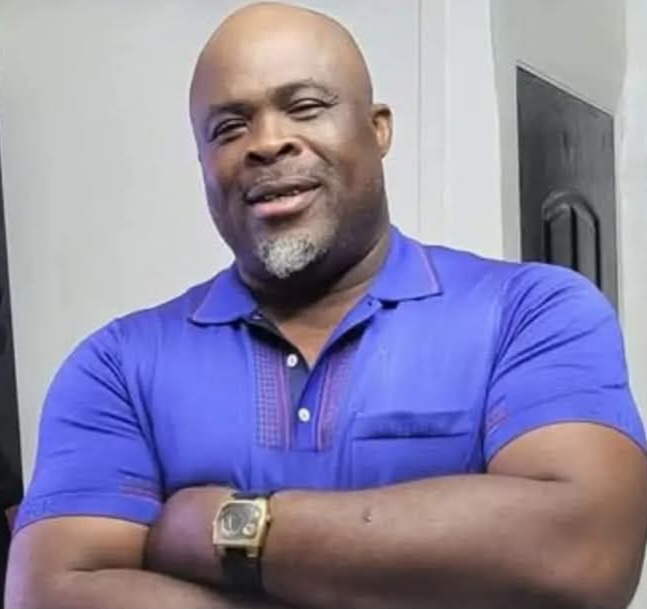
The arrest of Samsideen Oladiti, commonly known as “Shamelon,” a leader in the National Union of Road Transport Workers, has brought attention back to the violent reputation of transport unions in Lagos. After a viral video showed him beating up a dispatch rider on Lagos Island, the authorities arrested Oladiti. Reports say that the cyclist was taken to the hospital right away with significant injuries and did not survive. The suspect is still innocent until a court says otherwise, but the claims are too serious to be taken lightly. They want nothing less than comprehensive judicial review and accountability.
We should make it clear that most of what we know so far comes from video footage, eyewitness testimony, and police statements. There is proof that the assault happened, but investigators and the courts need to prove beyond a reasonable doubt that Oladiti’s conduct directly led to the rider’s death. However, because of the seriousness of the accusation and the public’s anger, Lagos State must make sure that this matter is not ignored or settled quietly.
For years, violent fights and suspected murders by NURTW members have hurt Lagos’s reputation and disturbed its serenity. In 2015, rival union groups were thought to be behind the death of an aide known as Mamok. Two years later, the murder of well-known NURTW leader “Hamburger” in Oshodi during a union fight led to a lot of bloodshed. There have even been testimonies in court about purported murders done for union leaders. These events illustrate that the problem is not just one thing, but a whole system.
The state government can’t back down on this case because it shows a bigger pattern of people getting away with things. If justice had been clear and strong in the past for murders linked to transport unions, Lagos might not be facing another alleged death by a union figure today. Weak prosecutions or political meddling have traditionally made violent people feel more powerful, putting regular people at the mercy of guys who think they can’t be touched.
There is also a risk to public trust. The viral video of a dispatch rider being beaten in broad daylight was enough to cause protests at Sandgrouse Market and anger on social media. People who already feel unsafe on Lagos roadways are scared that a prominent union leader could kill a rider even if the case hasn’t been proven in court yet. The only way to reestablish faith that the law, not violence, rules Lagos is through a fair and complete legal procedure.
There is also the issue of deterrence. When those in positions of local power are quickly and openly prosecuted for crimes they are accused of, it sends a message that no one is above the law. On the other side, when lawsuits are handled discreetly or watered down by politics, it makes people more likely to break the law. The Lagos State administration needs to think about more than simply the individual claims against Oladiti. They also need to think about how a compromised prosecution might affect the city’s future.
Protecting witnesses is just as crucial. Many times, accusations against NURTW members fall apart because important witnesses back out because they are scared. The government needs to make sure that eyewitnesses, medical workers who helped the victim, and even people from the community who protested are all secure. If there isn’t any reliable witness testimony, the case could fall apart over technicalities, which would make people feel like the court system doesn’t care about them.
The Lagos State administration needs to do more than just deal with the violence in the transport unions in court. If Oladiti’s case is seen as just an isolated event, the bigger problem of union members acting as unregulated enforcers on the streets of Lagos will continue. To stop the violence that is linked to the NURTW, there needs to be a separate reform process that includes rules, training, and ways to hold people accountable.
But Oladiti still deserves a fair trial. Justice is not attained through mob judgment, but rather through evidence, due process, and the equitable application of the law. In court, the video footage, medical records, and eyewitness testimony must all be evaluated. If he is found guilty, he must serve the whole sentence that the law says he should. If cleared, it must also be obvious that the process was fair, open, and not influenced by politics.
In the end, this matter is broader than just one person or one union. The question is whether Lagos will keep putting up with a culture where murder and violent assault accusations keep coming up in one area without any changes to the system. The government must not back down for the family of the late dispatch rider, for other riders who are afraid, and for people in Lagos who want a safe city. This kind of claim needs an open trial, not secret negotiations.
By : People’s Security Monitor’s Editor-in-Chief, Isiaka Mustapha
About the Author