
A lot of individuals nowadays are carrying around bitterness, anger, and suffering. It starts at home, with family, friends, and even relatives who don’t talk to each other anymore because they disagree about politics or their political convictions. Blood, love, and family ties that used to bring us together have been replaced with wrath, suspicion, and division.
It’s sad that the same spirit is spreading through our neighborhoods and our country. People don’t forgive anymore, yet it is the key that can open the door to healing for Zimbabwe, Nigeria and all of Africa.
The Scars of the Past
Like many other African countries, Zimbabwe’s story is full with both good and bad things. We’ve had times of anguish and loss. Many people still recall the bloodshed of 2008, when political tensions tore families and communities apart. People died, houses were damaged, and hope was gone. Some individuals still have those unseen wounds, not just from 2008 but from many times in our history when violence and hate tore us apart.
These cuts are rather deep. Today, they show themselves as quiet grudges, political animosity, and distrust between family and friends. But the Word of God leads us to a higher standard, one that heals sorrow and creates peace where there is disagreement.
What It Takes: Lessons on How to Be the Best
“Get rid of all anger, rage, bitterness, fighting, and slander, as well as any other kind of evil.” Just as God forgave you in Christ, you should be kind and caring to each other and forgive each other.
— Ephesians 4:31–32 (NIV)
The Strength of Forgiveness
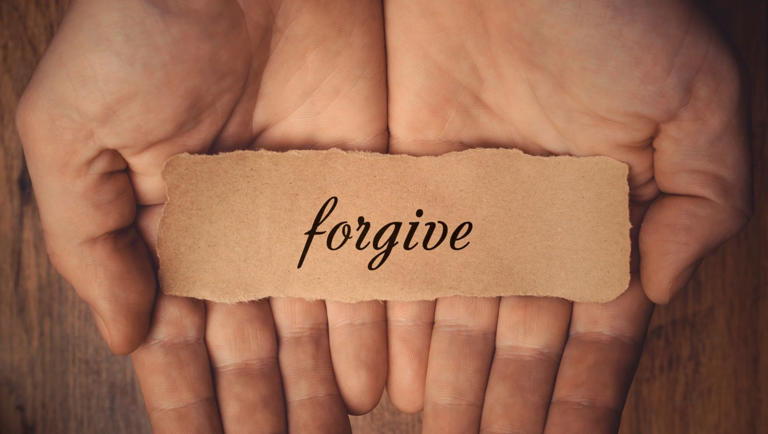
Forgiving someone doesn’t mean forgetting what they did. It is picking peace over anger. It means stating, “I won’t let the past affect my future.” We get back our inner freedom and let God heal us when we forgive.
“Your heavenly Father will also forgive you if you forgive others when they sin against you.”
— Matthew 6:14 (NIV)
We can’t go on as a country if we keep holding on to the grief of the past. Forgiveness is not a sign of weakness; it is a sign of wisdom. It takes strength to fix broken bridges and heal relationships. It lets us dream, build, and hope again.
People who have lost loved ones, property, or chances must find strength in God’s forgiveness to forgive. Forgiveness sets us free, not the people who wounded us. The sadness of yesterday should not ruin the hope of tomorrow.
Forgiveness Brings Change and Unity
There is a lot of work to be done to heal our culture as a whole. We need to deal with the hidden toxicity and quiet differences that still split people up politically, socially, and even spiritually. Forgiveness isn’t simply something you do for yourself; it’s something everyone in the country should do.
We stop the cycle of hate and retaliation when we forgive. Forgiveness makes it possible to talk to each other, find peace, and come together as one. These are all things we need to rebuild our communities.
“Blessed are the peacemakers, for they will be called children of God.”
— Matthew 5:9 (NIV)
What We Can Learn from Other Countries
History shows us that countries get stronger when their people choose to forgive instead of getting even.
Forgiveness helped South Africa get over decades of apartheid. Nelson Mandela was in prison for 27 years, but when he got out, he chose to forgive instead of getting back at people. He added, “As I walked out the door toward the gate that would lead to my freedom, I knew that if I didn’t let go of my anger and bitterness, I would still be in prison.”
Rwanda also healed after the terrible slaughter of 1994. The country rebuilt itself on forgiveness and unity through truth and reconciliation programs. Rwanda is now one of Africa’s fastest-growing and most peaceful countries. It is proof that forgiveness can fix what hatred breaks.
These are good examples for Zimbabwe and Africa to follow. Real change doesn’t start in parliaments or conferences; it starts in the heart of each person.
A Call to Action
Let’s pick forgiveness. Let’s put families back together that have been split apart by politics, churches that have been pulled apart by disagreements, and communities that have been hurt in the past. Forgiveness is the germ of unity, and togetherness is what makes progress possible.
We have to forgive each other, not because the past didn’t hurt, but because the future is worth fighting for.
I believe in a changed Africa, one where leaders lead with love, citizens live with compassion, and faith brings us together beyond politics, tribe, or color.
“If my people, who are called by my name, will humble themselves, pray, seek my face, and turn from their wicked ways, I will hear from heaven, forgive their sin, and heal their land.”
— 2 Chronicles 7:14 (NIV)
Conclusion
Forgiveness is more than just a message; it’s a goal. It is a path to healing, coming together, and changing. People who are willing to let go of the past and go bravely toward peace are what Africa needs for its future.
Let’s be the generation that chooses to forgive instead of fight, and heal instead of hate. Forgiveness is the base on which real leadership and change are built.
God, please help us forgive, heal, and start over.
About the Author