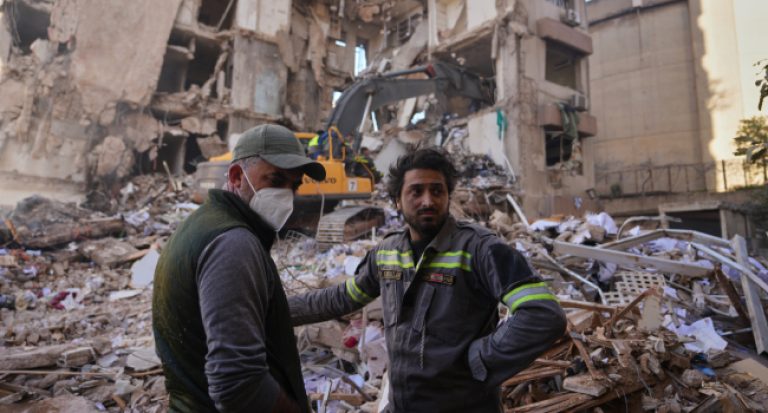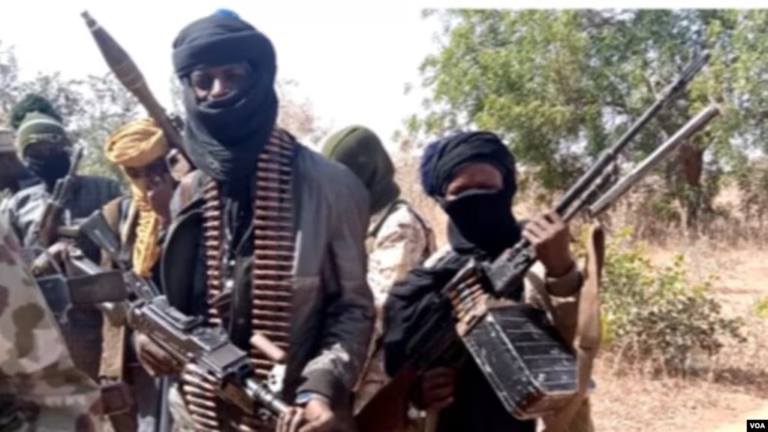

An NGO worker and a civilian militia leader informed our correspondent yesterday that jihadists killed at least 55 people in northeast Nigeria when they stormed a community where people who had been sent back from a closed camp for internally displaced persons lived.
According to AFP, jihadist violence has gone down since the height of the Boko Haram insurgency from 2013 to 2015. However, militants, notably the rival Islamic State West African Province (ISWAP), still strike rural regions in the northeast.
The strike on Friday night happened as there was an attack on the town of Darul Jamal, which is home to a military base on the border between Nigeria and Cameroon.
Our reporter spoke with a security source who said that five soldiers were among the deceased. However, Babagana Ibrahim, a commander of a pro-government militia, said that six soldiers were among the dead.
The most recent incident makes people wonder about Nigeria’s efforts in recent years to close down IDP camps and send people back to the countryside.
People who live there stated the incident started around 8:30 PM (1930 GMT), when dozens of fighters on motorbikes came and set homes on fire while firing assault rifles.
Malam Bukar, who ran away to the countryside with his wife and three kids, told our reporter, “They came shouting and shooting everyone in sight.”
“When we got back at dawn, there were bodies all over the place.”
Ibrahim reported that 55 people died, but a worker with an international NGO who didn’t want to be named said that 64 people died.
A request for comment from an army spokesman went unanswered.
A lot of the people who died were families who had just moved from the Government Secondary School displacement camp in Bama, which the government closed down earlier this year.
“The government told us we would be safe here,” said Hajja Fati, a mother of five who lost her brother in the bombing.
“Now we are burying our people again.”
Ali Ngulde, a Boko Haram commander, is said to be in charge of the area. A person in security told our reporter that he was in charge of the attack.
The governor of Borno, Babagana Zulum, was on his way to the site of the incident.
– The rise of jihadists –
Boko Haram has been fighting a deadly war in northeast Nigeria since 2009 to set up an Islamic caliphate. This has killed almost 40,000 people and forced more than two million to leave their homes.
The group split in 2016 because of ISWAP.
Good Governance Africa, a charity, says that jihadist activities picked up again in the first six months of 2025.
There were about 300 jihadist strikes that killed about 500 civilians. Most of these attacks were done by ISWAP, which has grown stronger in recent years than the broken-up parts of Boko Haram.
According to GGA, ISWAP took control at least 17 Nigerian military outposts during that time, thanks to more drones, nocturnal attacks, and foreign fighters.
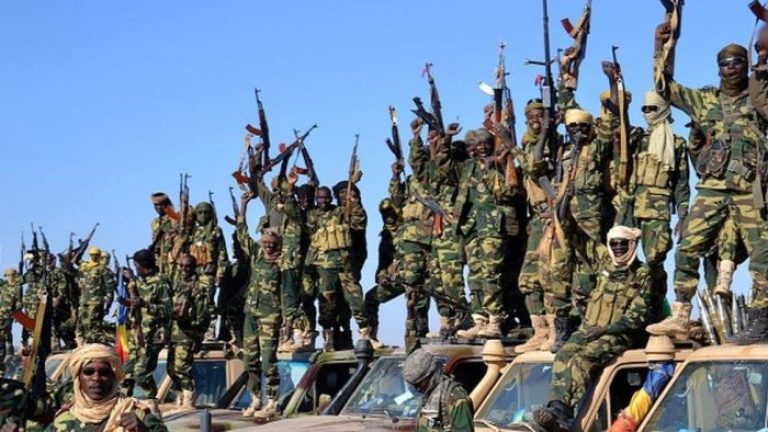
The rise in Islamist violence comes at a time when Niger has pulled back from a crucial international task group and the Nigerian military is stretched thin by a separate banditry situation in the northwest.
Some observers say that the bad economy under President Bola Tinubu has made the problems that many armed organizations rely on in rural areas worse.
About the Author