
The African Union has said that Africa loses billions of dollars every year because of unlawful money flows. The first step to preserving African wealth on the continent is to stop tax evasion and corruption.
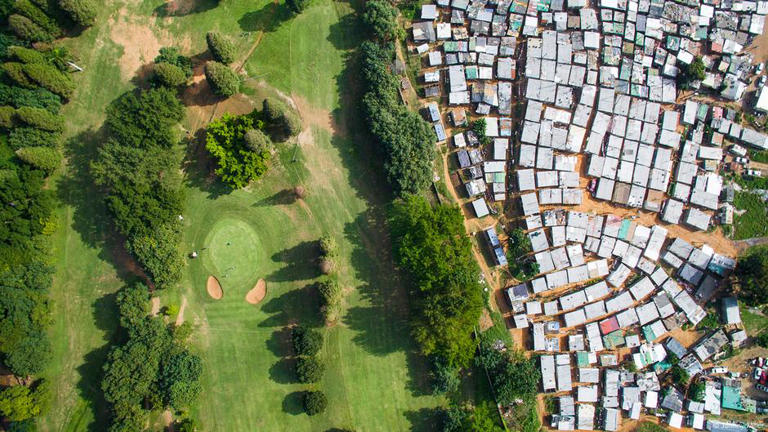
Illegal money transfers have made the gap between the rich and the poor in Africa even worse. Some observers think that South Africa is the most unequal country in the world.
Illegal money transfers have made the gap between rich and poor in Africa wider. Some experts say that South Africa is the most unequal society in the world.
The African Union (AU) believes that tax evasion, money laundering, and corruption cost Africa over US$88 billion (€76 billion) every year. That number was US$50 billion (€43 billion) in 2015. Analysts believe this takes money away from governments that could be used to improve public services like healthcare, education, and infrastructure.
Rich people moving money to places with low taxes
Christoph Trautvetter, who runs the German group Network for Tax Justice, told DW that Africa loses billions because “digital companies and commodity traders move their profits to tax havens, and corrupt elites hide money in offshore accounts that are hard to trace.”
Trautvetter said, “The direct damage is even worse because this system encourages crime and corruption and makes states weaker that are supposed to promote development.” He also claimed that “the rich and powerful in both Africa and the global North ultimately benefit from this system.”
“The tax expert said, “There is a lot of reluctance to making it more open and working together better and to making big changes to it.”
African countries have a lot of natural resources, but they can’t make money from them since earnings go to other countries.
Even though African countries have a lot of resources, they are having trouble making money from commodities since revenues go to other countries.
© Alexander Joe/AFP/GettyImages
He thinks that not enough is being done to stop these losses, although there has been some progress. For example, in 2017, more than 100 nations agreed to share information about bank account owners automatically.
Trautvetter added, “This means that banks in many tax havens now automatically send information about account owners to the tax authorities in their home countries.”
Data controls that are more clear
A lot of African countries are still working on the accord, therefore there isn’t enough evidence to evaluate it yet.
“But this will definitely lead to big changes in the next few years,” Trautvetter says.
The United Nations’ global framework accord is another good thing that has happened. It started in August and aims to make things clearer on a wide range of topics, from “global tax justice and the taxation of large digital corporations” to “the detection of illegitimate financial flows.”
Climate change hits developing countries harder than it does rich countries. Activists have asked rich countries to provide poor countries money for climate change and other issues.
Activists have asked affluent countries to give poor countries money for climate change and to help them deal with it.
© Sean Gallup/Getty Images
The AU study says that Africa is now even more vulnerable because of developments in global politics during the past ten years, even though there have been some victories. The COVID-19 epidemic, the war between Russia and Ukraine, and the geopolitical effects of climate change are all important issues. Some African countries also have a lot of government debt.
The AU has established a number of tools to stop unlawful transactions. Several working groups have been established up to recover stolen property from other countries and keep an eye on economic sectors like mining, which are especially open to undeclared exports. These organizations work together on a pan-African level.
Many African countries have set up financial investigation units or specialized tax authorities at the national level. But the AU’s research shows that these organizations haven’t been effective.
Illegal money draining Africa
Idriss Linge, who is from Cameroon, works with the Tax Justice Network (TJN) in Bristol, England, as an Advocacy Officer. He says that tax losses have hurt Africa more than other places: “Illegal money flows happen all over the world, but Africa is the most affected because its budgets are already tight,” he tells DW.
“Multinationals take advantage of extractive industries, tax havens let them pay less tax, and a lack of transparency hides it all.” The tax justice analyst adds that “illegal financial flows are like a life-threatening condition, draining Africa’s blood.”
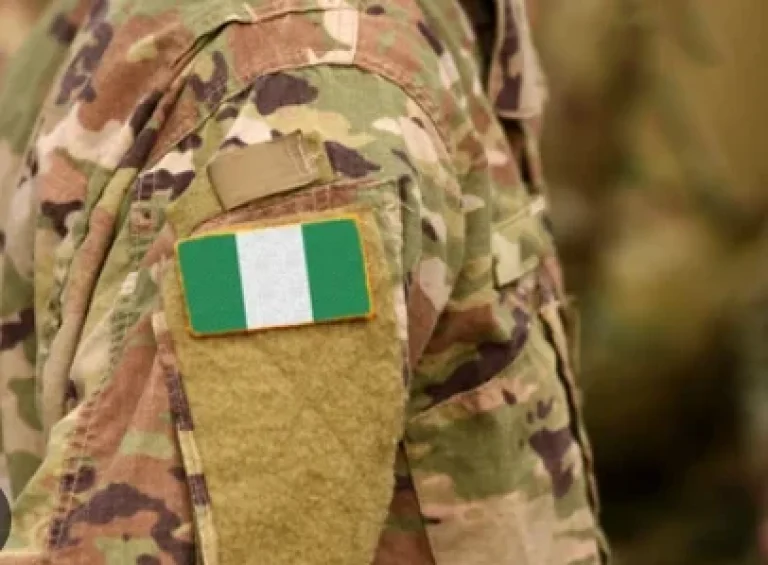
Linge says that countries with a lot of resources, like Nigeria, Angola, and the Democratic Republic of Congo, are the most at risk. Profit shifting in the oil industry has cost Nigeria billions of dollars.
“That money could give 500,000 people safe water, 800,000 people sanitation, 150,000 people an education, and save more than 4,000 children by giving them better health care. “Illegal money flows aren’t just ideas; they take away people’s rights,” he told DW.
There are flashy automobiles and shiny banks in Luanda, Angola. Tax experts think that tougher controls on money transfers are needed to stop illegal money leaving Africa. This has made the gap between rich and poor even worse.
In Luanda, Angola, there are shiny vehicles and banks. Tax experts argue that there has to be more control over money transfers to stop illegal money leaving Africa. This is making the gap between rich and poor increase.
The AU says that unlawful financial activities cost Africa some $88 billion, but Linge says this is probably a very low estimate.
Linge says, “At the same time, Africa has to pay off debts at high interest rates.” This is because African countries have to pay higher interest rates on the capital market than rich countries do.
Many African countries have trouble with their budgets and taxes since they don’t get enough money from taxes and have to pay off a lot of debt. This makes it harder to pay teachers and physicians, build resilience to climate change, or pay for development.
Stopping illegal money flows would also be a first step toward giving governments more power.
Story by
About the Author